Working with frequencies: it’s not “one size fits all”
We have long been accustomed to gauging our health using measurable outcomes. We deem that something works if we no longer feel pain or if a medical device says we’re in the clear. However, when using sound frequencies for more subtle health care issues or just to maintain well-being, we’re not always sure if we are doing it “right”. We can’t see them or feel them and sometimes we can’t even hear them. It’s a leap of faith for some to go this route.
To complicate matters, people respond differently to frequencies because each body and nervous system processes sensory input in its own way, something that becomes easier to understand with a basic grasp of what frequency is in the first place. Factors such as sensitivity, one’s emotional state, stress levels, prior experience, and the context in which frequencies are used can all influence how a frequency is perceived. As we are all actors in our health journey, we need to take a proactive approach in understanding all the parameters that influence a given frequency healing modality. So let’s take the optimist’s perspective and say consider that there’s a wide palette to chose from to tailor frequency modalities to our individual profiles and needs.
A dive into what influences how we receive frequencies
Individual variation explains why frequency-based therapies that work amazingly for some people may be less effective for others. These are some of the major factors that may influence the effectiveness of a given therapy:
Genetics:
An intriguing theory suggests that the DNA in our cells acts as a fractal antenna, allowing it to interact with and respond to different frequencies. So outside its primary function of storing genetic information, DNA may also serve as an antenna for receiving and transmitting electromagnetic frequencies throughout the entire cell network of our bodies.
Fractals are complex geometric patterns that repeat at different scales, exhibiting self-similarity. The idea that DNA is a fractal antenna means that its structure, with its repetitive patterns and multiple levels of organization, enables it to interact with and respond to various frequencies in the environment. The introduction of external frequencies may influence these signaling processes and potentially impact our physiology.
Age:
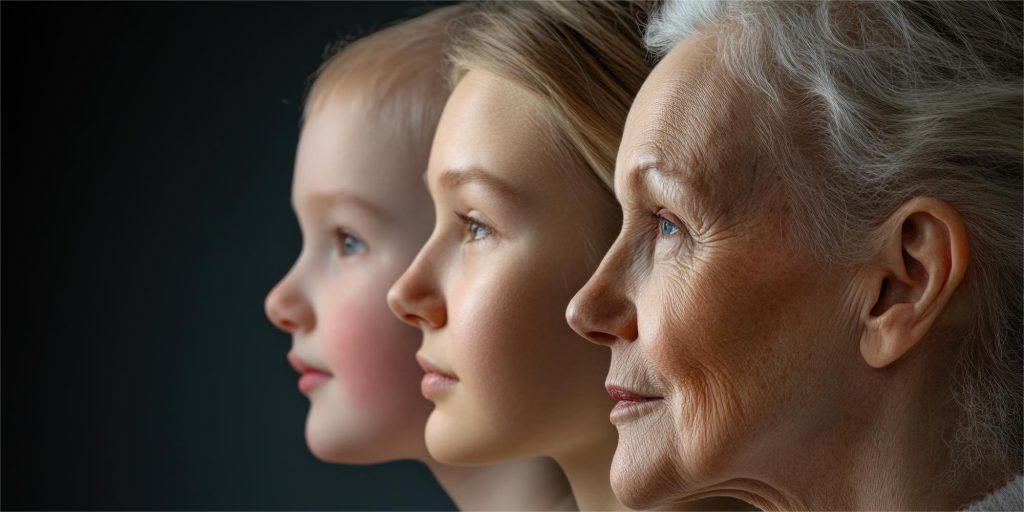
Sensitivity to light, sound, and vibration change as we age, potentially impacting how our bodies receive frequencies. It is proven that age affects the frequencies of certain key organs like the brain. Alpha waves decrease to lower frequencies, leading to various forms of cognitive decline. In the eyes, ageing increases crystalline lens light absorption and decreases the pupil area, resulting in progressive loss of circadian photoreception. as well. These issues could impede the body’s capacity to self-regulate, exacerbating the problem in the long term.
Yet the very thing that is causing the problem is the key to the solution. Knowing why a frequency is not working like it should could help in readjusting the frequency or in choosing a different transmission modality.
Health Status:

While frequency healing is generally considered safe, there are certain cases where it’s best not to engage in frequency healing, such as when acute/emergency care is necessary. Likewise, it’s best to seek guidance from a trained professional if you are pregnant, wearing a pacemaker, or experiencing an emotional crisis. That said, for the deep healing of a great number of physical and mental health issues, frequency modalities can be very beneficial.
Even if certain illnesses can alter sensory perception and thus frequency sensitivity, one way to overcome this hurdle is by applying a clear intention, an often-overlooked element in the efficacy of frequency healing. This means visualizing the outcome in the present moment and feeling gratitude for it. A study published in the Journal of Alternative and Complementary Medicine highlighted that patients who practiced intention-setting before a healing session reported better outcomes than those who did not. By pairing frequency healing with a clear intention, you align your energy with your desired outcome. The act of consciously focusing your mind allows you to create a mental space that is receptive to healing energies.
Hydration:
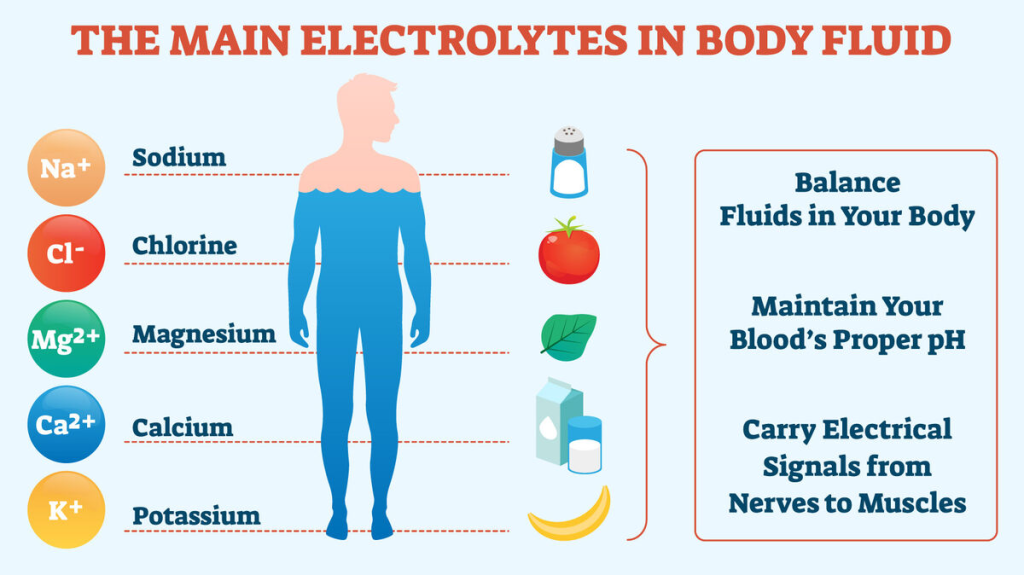
An often neglected aspect of our health is hydration. While mass media may have exaggerated numbers saying that 75% suffer dehydration, it is true that most of us are not drinking enough water. Cellular hydration refers to the body’s ability to maintain the optimal water content inside the trillions of cells that make up our tissues and organs. This balance is necessary because every biological process, from generating energy to transmitting nerve signals, occurs within a water-filled environment. So hydration is more than just drinking water, it’s about maintaining the right balance of fluids and electrolytes (like sodium, potassium, and magnesium) within the body to support the electrical circuitry of our cells and mitochondria, our bodies’ little batteries.
Circadian Phase:

Our circadian rhythms are negatively influenced by a number of external factors such as blue light exposure, jet lag, alcohol intake and stress. This impacts our sleep cycles, and ultimately our brainwave activity. By making lifestyle adjustments and engaging in frequency modalities such as binaural beats that favor sound sleep, you can create the conditions that are conducive to frequency healing in other areas.
Previous Exposure:

Frequency healing works best in a receptive environment. As we are active players in our own care, we can bring about the physical conditions that will favor positive outcomes. This is easier if your prior experience was positive as you already have a benchmark to go by, but this is not the sole criterium for creating an ideal setting. Even if your were disappointed by your first forays into frequency care, it’s not difficult to get back on track. The act of focused listening, combined with the expectation of a positive outcome, creates an ideal environment for the placebo effect to take hold. This should be dismissed; the placebo effect can trigger real physiological responses, notably in pain-relief and relaxation, which in turn reduces the anxiety and stress that exacerbate many physical symptoms. Therefore, the benefit derived is likely related to the overall context of relaxation and expectation rather than the inherent power of the frequency itself.
When to play it safe with frequency healing
There are circumstances where it’s best exercise caution in frequency healing. Naturally, if you are in a situation where acute/emergency care is necessary, it’s best to get those issues treated by experts in that field. Likewise, it’s best to seek guidance from a trained professional if you are pregnant, wearing a pacemaker, or experiencing an emotional crisis before considering using frequencies. That said, for the deep healing of a great number of physical and mental health issues, frequency modalities can be very beneficial and worth exploring.