Where It All Began: Royal Rife's Original Plasma Work
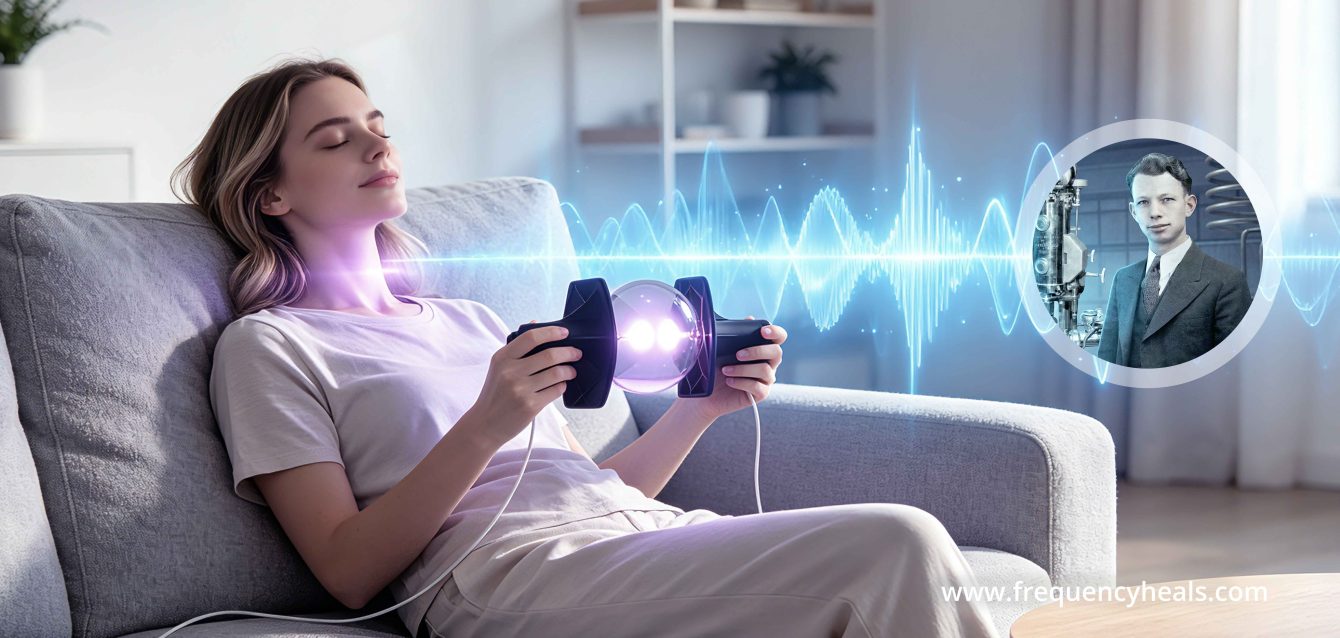
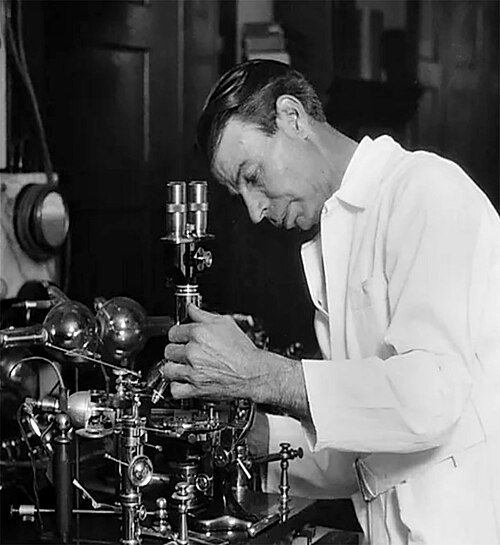
In 1934, Dr. Royal Raymond Rife reported a remarkable series of clinical observations at his San Diego laboratory. Using a device that broadcast frequencies through glowing plasma tubes — glass vessels filled with noble gas, illuminated under high voltage — his team documented outcomes with cancer patients that attracted both serious attention and, eventually, fierce institutional resistance [1]. Plasma represents one of several approaches used to deliver frequencies, alongside other methods such as Remote, Contact, Scalar, and PEMF.
Whether or not every claim from that era holds up under modern scrutiny, the core technology Rife employed has endured. Plasma-based frequency delivery remains the most powerful non-contact transmission method in modern Rife systems — and the one that most closely mirrors his original approach. Contemporary devices carry that lineage forward with greater precision, reliability, and safety engineering than was possible in 1934
For many serious frequency therapy practitioners, Plasma Mode represents a natural progression — a step taken after foundational experience with Remote and Contact modes, when they are ready to work with a more intensive and technically demanding delivery method. Understanding it well before using it is not just recommended — it is essential.
What Is Plasma Mode? How It Works
Plasma, in this context, refers to gas — typically a noble gas such as helium or argon — that has been ionized under high voltage inside a sealed glass tube. This ionization transforms the gas into an electrically conductive, light-emitting medium: the characteristic glow of a plasma tube in operation [2].
When a frequency generator drives the plasma tube, the ionized gas translates the electrical signal into an oscillating electromagnetic field radiating outward in all directions. This field passes through air and penetrates biological tissue without requiring any physical contact with the skin.
This is the fundamental advantage of Plasma Mode over Contact Mode: the delivery mechanism is radiant, not conductive. Contact Mode routes electrical current between two skin-surface electrode points. Plasma’s radiated field reaches tissue throughout the body — including deeper structures that surface electrode current paths cannot efficiently target.
An important physical reality worth understanding clearly: plasma devices do not send targeted beams to specific organs or tissues. What they produce is a radiated electromagnetic field extending through the surrounding space and into tissue within the effective range of the device. Sound and electromagnetic energy both conduct more effectively through water and solid tissue than through air — and since the human body is approximately 70% water, the body itself is a far more conductive medium for plasma energy than the surrounding air [3]. This is why close proximity to the tube — ideally within a few centimeters to one meter — significantly enhances effective delivery compared to operating at greater distance.
How Different Manufacturers Approach Plasma Delivery
Not all plasma devices are built the same way. Across the current market, manufacturers have made meaningfully different design choices about tube design, gas fill, carrier wave use, and the broader hardware ecosystem around the plasma tube. Understanding these approaches helps practitioners choose the system that fits their goals.
Tube geometry: focused vs. diffuse output
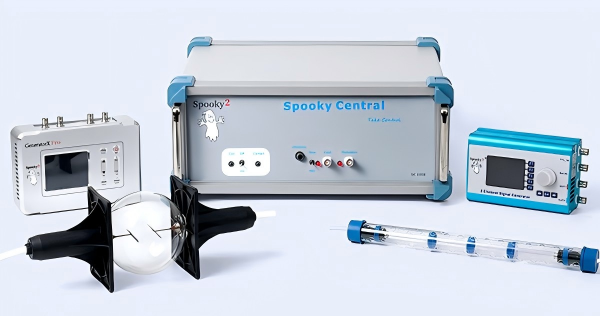
One of the most fundamental differences across plasma implementations is tube geometry. Some devices — most notably Spooky2 Central’s Phanotron tube — use an angled internal electrode design (helium-filled) that deflects the electron stream directionally, producing a more focused, concentrated output from one face of the bulb. This makes the Phanotron well-suited to localized, targeted concerns where concentrated energy delivery to a specific area is the priority. It is considered a close replica of the plasma ball used in Rife’s original 1934 clinical work [4].
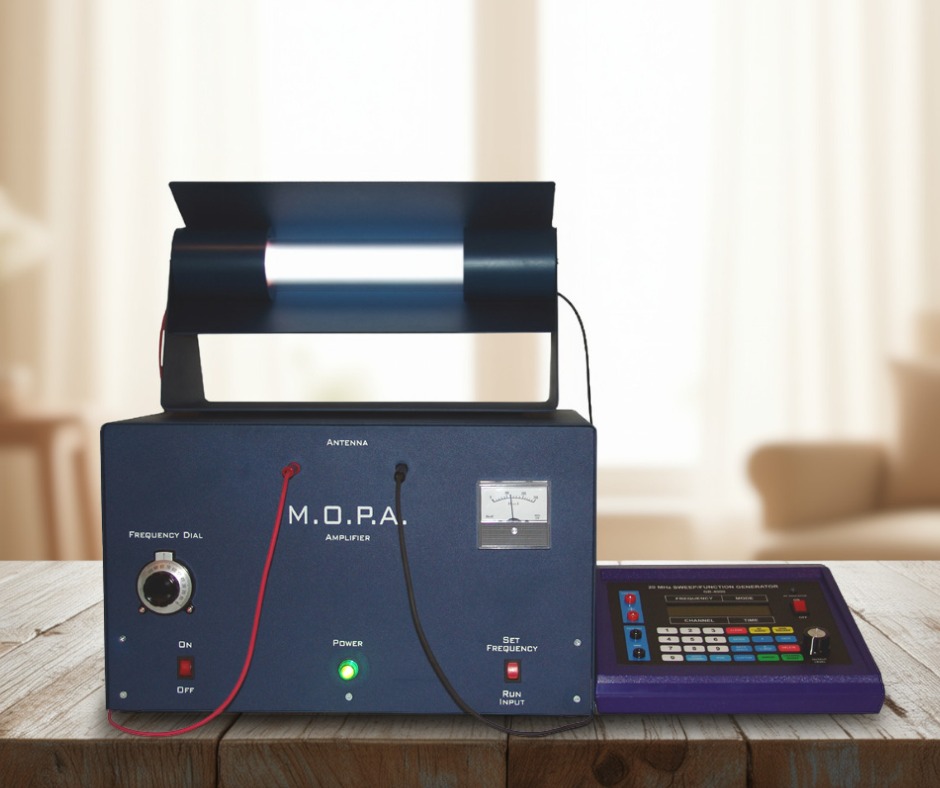
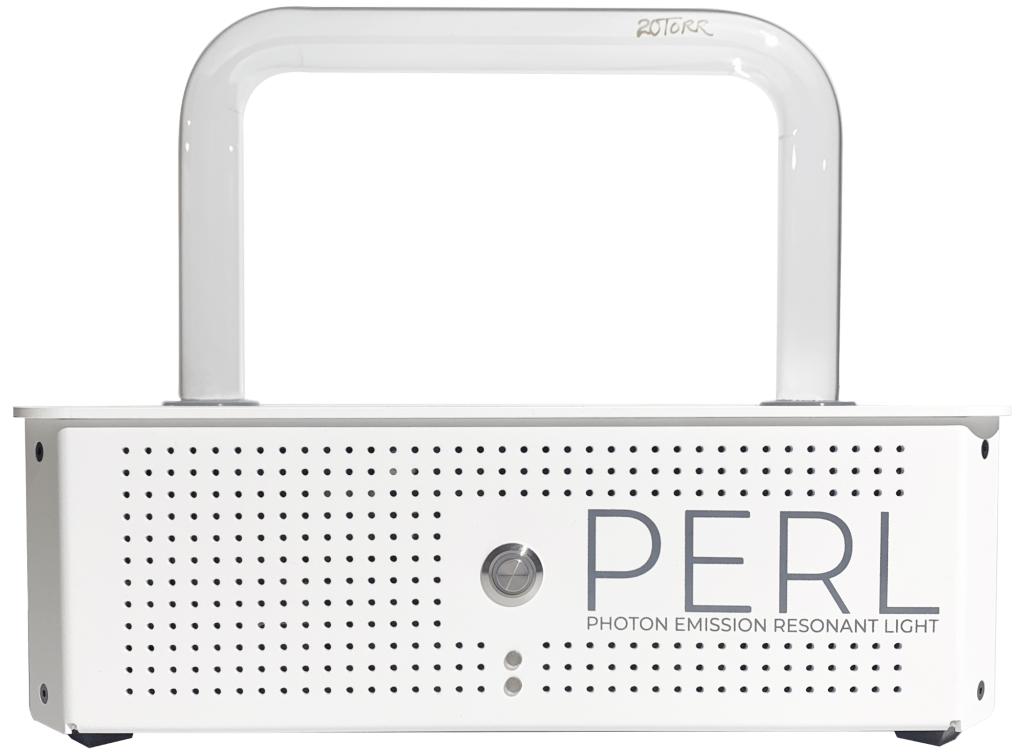
Other devices use straight cylindrical tubes — argon-filled in most implementations — that produce a more diffuse, omnidirectional field radiating evenly along the full length of the tube. The GB4000 MOPA, BCX Ultra beam tube, and Resonant Light PERL M+ all use straight-tube designs of varying specifications. This omnidirectional approach is generally preferred for systemic, whole-body concerns, disseminated pathogen protocols, or environmental disinfection of a room — situations where broad spatial coverage matters more than concentration [2].
Carrier wave vs. direct output
A second major design divide is whether the device uses a carrier wave to deliver therapeutic frequencies, or outputs those frequencies directly to the tube. This debate is genuine and unresolved in the research literature, with leading manufacturers on both sides.
Spooky2 Central takes the no-carrier approach, outputting directly at the target frequency range. The argument is that a carrier is unnecessary and that all available power should go directly into the therapeutic frequencies — following the model of Rife’s original work [2].
Resonant Light’s PERL M+ uses a fixed 27.125 MHz carrier frequency — an internationally designated ISM band frequency — arguing this wavelength is particularly well absorbed by biological tissue and enables effective delivery at distances of up to 30 feet. GB4000 uses a variable carrier with the MOPA amplifier, and BCX Ultra offers both carrier and carrier-free configurations. Proponents of carrier wave delivery argue it dramatically increases working range and tissue penetration depth [5].
For practitioners choosing between systems, the practical implication comes down primarily to working distance. If the device needs to be effective across a large room, carrier wave systems have a clear advantage. If the practitioner is willing to work at close range, direct-output systems concentrate all their power into the target frequencies.
Power output: more is not always better
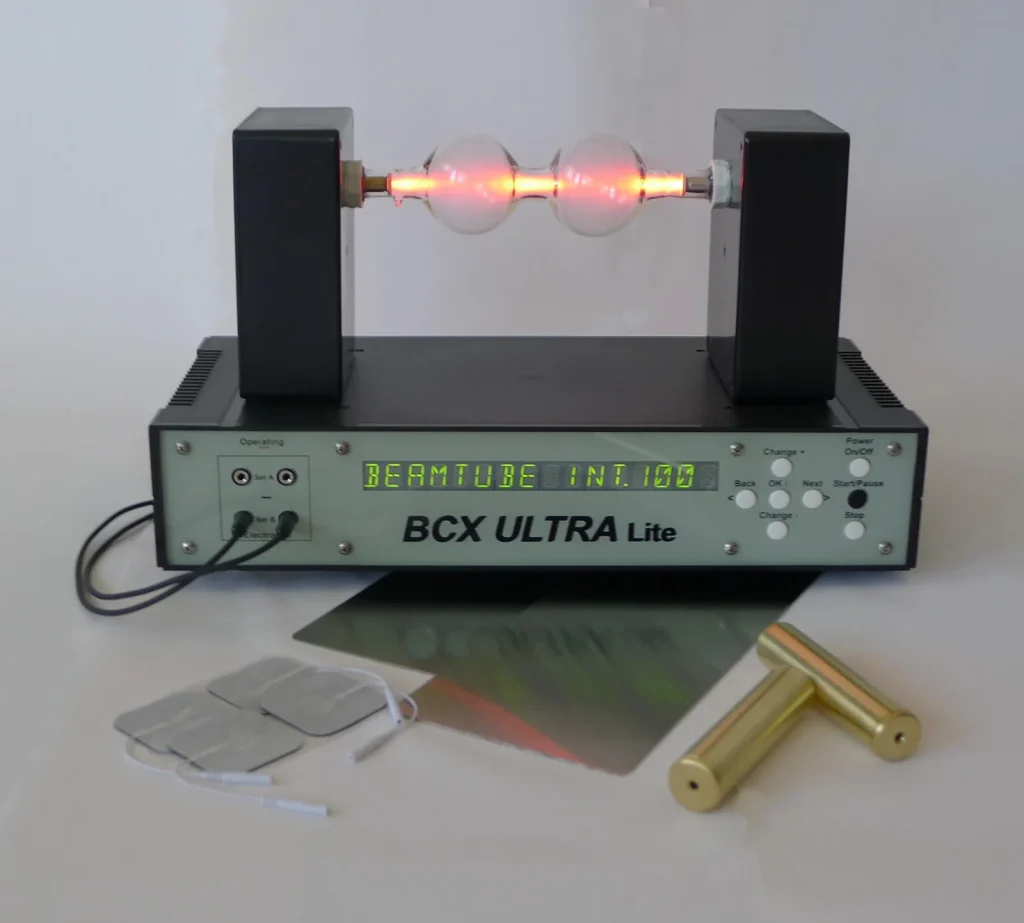
Devices on the market range from approximately 40W (Spooky2 Central) to over 300W (BCX Ultra beam tube configuration). A point consistently made by experienced practitioners and device designers alike: higher power output does not equal better therapeutic results. Excessive power can be counterproductive and, at extreme levels, harmful. Frequency accuracy — the precision with which the device delivers its target frequency — is the primary determinant of therapeutic value. A precisely tuned 40W system can consistently outperform an imprecisely calibrated 300W device for most wellness applications [1].
Choosing a Plasma Device: A Practical Buyer's Guide
For practitioners considering a plasma device, specifications alone rarely tell the full story. The following comparison focuses on practical fit — who each system is best suited for, how easy it is to use, and what kind of support is available.
| System | Best Suited For | Ease of Use | Technical Complexity | Budget | Community & Support |
|---|---|---|---|---|---|
| Spooky2 Central | Users looking for the most accessible entry into Plasma Mode, especially those who value a large frequency database, beginner-friendly software, multiple delivery methods (Plasma, Remote, Contact, PEMF, Scalar), integrated biofeedback options, and a system that closely follows Royal Rife’s original carrier-free plasma approach. | Moderate — requires Spooky2 software and generator; setup is straightforward once familiar with the ecosystem | Medium-High — large program library requires navigation; multi-mode hardware offers many options | Most accessible entry point for plasma (~$1725–$3,109) | Largest active user community of any Rife system; extensive free courses and certified trainers |
| GB4000 + MOPA | Experienced practitioners who prefer a dedicated plasma-focused system with high output power, long operating range, and greater manual control over frequency programming. Often favored by users who enjoy a more hands-on approach and want a standalone system that does not require a computer. | Moderate — standalone operation without PC required; less software dependency than Spooky2 | Medium — fewer automated features; user programs frequencies manually | Mid-range (~$2,895–$4,870); generator sold separately from MOPA amplifier | Manufacturer and dealer support; smaller community than Spooky2 |
| BCX Ultra + Beam Tube | Users seeking a premium all-in-one Rife platform with strong power output, built-in presets, and the flexibility to experiment with both carrier-wave and non-carrier approaches. Suitable for those who want advanced capabilities with less setup complexity than traditional high-end systems. | Relatively user-friendly for its power level; factory presets reduce setup complexity | Medium — factory preset library simplifies starting point; customisation available for advanced users | Higher investment (~$2,995–$5,595); comprehensive accessories included | Manufacturer support; dedicated user base with online resources |
| Resonant Light PERL M+ | Users who prioritize simplicity, comfort, and long-range no-contact sessions. Often chosen by wellness practitioners and clinics looking for a highly polished plasma system with minimal day-to-day technical involvement and a curated protocol library. | Clean, purpose-built interface; designed for ease of use in professional settings | Lower day-to-day complexity — protocol library is curated rather than open-ended | Premium investment (~$8,340–$11,840) | manufacturer support; smaller but dedicated professional user base |
A note on pricing: all figures are approximate based on publicly available information at time of writing. Prices change, and bundle configurations vary. Always confirm current pricing and what is included directly with the manufacturer or authorised reseller before purchasing.
Running a Plasma Session: Practical Guidance
Regardless of the device, certain practical principles apply to Plasma Mode sessions across all platforms.
Proximity matters. The near-field electromagnetic output within approximately one meter of the tube is significantly more effective than far-field output at greater distance (unless using a high-power carrier wave device specifically designed for long-range delivery). Position the body close to the tube, with the most relevant area facing the emission source where possible [4].
For devices with directional tube designs — such as Spooky2’s Phanotron — the body should be positioned on the active emission face of the tube. For straight cylindrical tubes, proximity anywhere along the tube’s length is effective.
Start slowly and build gradually. Plasma Mode is the most intensive non-contact delivery method available in frequency therapy. New practitioners should begin with short sessions — 15 to 30 minutes — and increase duration gradually over several days before moving to longer or overnight protocols. The Herxheimer reaction — a temporary intensification of symptoms as pathogens die and release toxins — is a real consideration with plasma work, and adequate hydration before, during, and after sessions supports effective clearance of detox byproducts [1].
For overnight sessions, many practitioners position the tube in an adjacent room rather than directly in the sleeping space. Electromagnetic fields penetrate standard building materials effectively at short range, and separating the visible light output of the glowing tube from the sleeping area is often preferred for comfort. Some devices offer tube covers or shrouds for this purpose.
Who Is Plasma Mode For?
- Experienced practitioners who have completed foundational work with Remote and Contact modes and are ready to add a more intensive non-contact delivery option
- People dealing with serious, persistent, or systemic conditions — including Lyme disease, Morgellons, complex chronic infections — where multiple delivery modes running in parallel are part of the therapeutic approach
- Those whose concerns involve deeper tissue or internal structures where surface electrode methods have limited reach
- Practitioners who want to layer Plasma alongside Remote and PEMF for simultaneous broad-spectrum coverage across different delivery pathways
- Those interested in environmental disinfection — a straight plasma tube run in a room can address airborne pathogens and environmental microbial load, a use case not available with any contact-based delivery method
Safety Notes
- Never touch a plasma tube while it is operating — high voltage is present and the tube surface becomes hot during extended use.
- Keep the tube away from flammable materials and ensure adequate airflow around the device during sessions.
- Those with pacemakers or any implanted electrical devices should not use Plasma Mode without medical consultation.
- Build session duration gradually — new practitioners should begin with short sessions, allowing the body time to process any Herxheimer response between sessions before extending duration.
- Follow all device-specific setup and safety instructions from the manufacturer — particularly regarding cable connections and power sequencing, which differ between systems.
References
- [1] Spooky2. (2025). Plasma Mode: The Most Powerful Rife Frequency Transmission.
- [2] Spooky2. (2025). Master the Four Modes of Spooky2 Central Plasma.
- [3] Lieberman, M. A., & Lichtenberg, A. J. (2005). Principles of Plasma Discharges and Materials Processing (2nd ed.). Wiley-Interscience.
- [4] Spooky2. (2020). Phanotron Tube Instructions.
- [5] Resonant Light Technology. (2025). PERL M+ Technical Overview and Carrier Wave Rationale.
- [6] GB4000. (2025). MOPA Amplifier Specifications.
- [7] BCX Ultra. (2025). BCX Ultra Beam Tube Package.
- [8] Lynes, B. (1987). The Cancer Cure That Worked: Fifty Years of Suppression. Marcus Books.