Every delivery mode covered in this series — Remote, Contact, Plasma, Scalar, PEMF — shares one characteristic: the frequency is active only while the device is running. These represent some of the different ways frequencies can be delivered, each with its own method of transmission and application. When the session ends, the transmission ends. The body received input during that window, responded to it, and carries whatever lasting effect the session produced. But the frequency signal itself is gone.
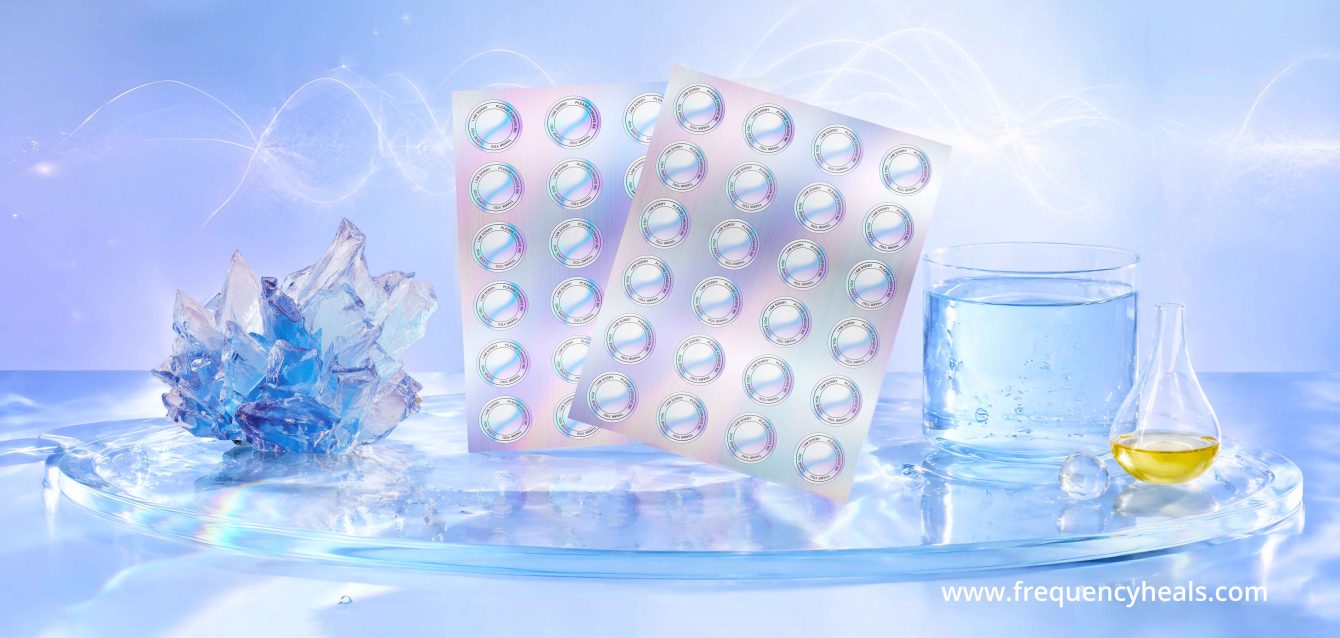
Imprinting works on a different principle. Instead of transmitting frequencies directly to the body during a session, imprinting encodes frequency information into a medium — most commonly water, but also oils, crystals, alcohol solutions, wearable patches, and other materials. The imprinted medium then becomes a vehicle that carries that frequency information and delivers it to the body over an extended period, independently of the generating device.
Think of it as the difference between receiving a phone call and receiving a recorded message. The phone call requires both parties to be present simultaneously. The recorded message can be played back at any time, anywhere, by anyone who has it.
For practitioners across the broader frequency and vibrational wellness field, imprinting is not a peripheral technique — it is an integral part of daily practice. It extends the reach of sessions into travel, work, and situations where running a device is impractical. It allows frequency support to be shared with people or animals who cannot easily be positioned near a device. And it opens the possibility of continuous, low-level frequency exposure between formal sessions.
The Scientific Background: How Frequencies Can Be Stored
The idea that a physical medium can retain an imprint of an electromagnetic or energetic signal is not without scientific engagement, though it remains genuinely contested in mainstream research.
The most discussed scientific precursor is the work of French immunologist Dr. Jacques Benveniste, who in 1988 published results in Nature suggesting that highly diluted antibody solutions could still trigger biological responses in immune cells — even after dilution to the point where no antibody molecules could physically remain. Benveniste proposed that water had retained a ‘memory’ of the antibodies’ molecular structure [1]. The paper was published with an editorial caveat, and a subsequent investigation found the results could not be reliably replicated under blinded conditions. Benveniste continued the work until his death in 2004 under the banner of ‘digital biology.’
Nobel Prize-winning virologist Luc Montagnier published research in 2009 suggesting that DNA sequences could transmit electromagnetic imprints of themselves through water [2]. His findings drew similarly polarised responses — intriguing to some biophysics researchers, largely dismissed by mainstream biology.
What both research threads share is the proposal that water’s hydrogen-bonding network may be capable of retaining structural or electromagnetic information and that this retained information may have measurable biological effects. This remains an area of active fringe research rather than established science. The mechanism by which frequency imprinting works, if it works as practitioners describe, is not yet explained by any mainstream physical or biological model. That does not make the practice without value — traditional medicine is full of things that worked before their mechanisms were understood — but it does mean that users should hold their expectations proportionately to the evidence available [3].
How Imprinting Is Used Across the Wellness Field
Frequency imprinting is not a single product or technology — it is a broad concept that spans several distinct traditions and contemporary approaches. Understanding the range of imprinting products available in the marketplace helps readers find the approach that fits their lifestyle, budget, and philosophy.
1. Homeopathic Remedies

Homeopathy is the oldest and most widely available form of frequency imprinting, even though it is rarely described in those terms. Developed by Samuel Hahnemann in the late 18th century, homeopathic remedies are prepared by repeatedly diluting a source substance in water and vigorously shaking the solution at each stage — a process called succussion. The classical homeopathic argument is that this process transfers the energetic signature of the original substance into the water, which retains it even after the substance itself has been diluted away [3].
Homeopathic remedies are available globally at pharmacies, health food stores, and online retailers. They are the most affordable and accessible form of imprinted frequency product, and they have the longest tradition of use — more than two centuries of practitioner and patient experience across many countries. For those new to frequency-based wellness who want to explore imprinting without significant investment, homeopathy is a natural starting point. The evidence base is mixed — some studies show effects, others do not — but the remedies have an excellent safety profile and are widely accepted as a complementary wellness tool [3].
2. Flower Essences

Flower essences, developed by Dr. Edward Bach in the 1930s, are water-based preparations made by floating flowers in spring water in sunlight, then preserving the resulting water in a brandy-water solution. The premise is that the flower’s vibrational essence transfers into the water during this process, and that the resulting remedy supports emotional and psychological wellbeing when taken as drops [3].
Bach Flower Remedies are the best-known range, with 38 individual remedies corresponding to different emotional states. Beyond Bach, dozens of other flower essence lines have been developed worldwide — from Californian, Australian, and Himalayan flower essences to country- or ecosystem-specific ranges. Flower essences are gentle, alcohol-preserved, and shelf-stable for years. They appeal to users who want a nature-aligned, emotionally-focused approach to vibrational support, and are particularly popular in holistic counselling and emotional wellness contexts. Like homeopathy, they are widely available and affordable [3].
3. Frequency-Imprinted Patches and Wearables
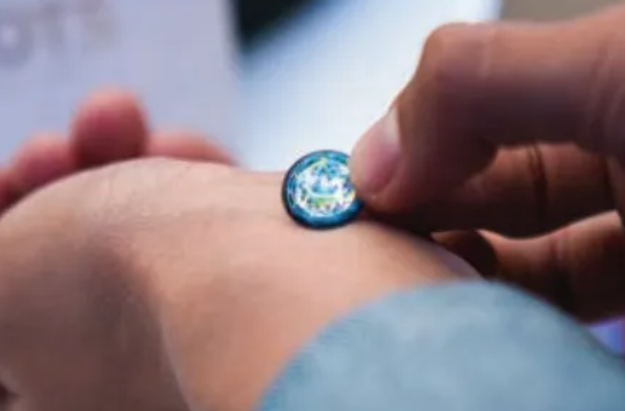
A more contemporary category of imprinting products involves patches, stickers, or wearable items that have been exposed to specific frequencies during their manufacture and are claimed to emit or transmit those frequencies continuously to the body when worn. Products in this space range from holographic stickers applied to the skin or clothing, to frequency-embedded silicone wristbands, pendants, and fabric garments.
The appeal of frequency-imprinted wearables is their convenience: they require no water preparation, no drops to take, and no device to operate. They are worn throughout the day — some designed to be worn during sleep as well — providing claimed continuous exposure to the encoded frequencies. Brands in this category vary widely in their transparency about imprinting methods and the specific frequencies encoded. Prices range from a few dollars for simple holographic stickers to several hundred dollars for premium frequency-embedded jewellery or garments.
Within the Spooky2 community, practitioners also create their own imprinted patches and stickers by exposing them to frequencies from their device during a session — a DIY approach that gives full control over which frequencies are encoded and allows fresh imprinting on demand. This home-based approach blurs the line between product and practice, and is one of the practical applications discussed in the Spooky2 user community [4].
4. Frequency-Imprinted Crystals and Wearable Stones
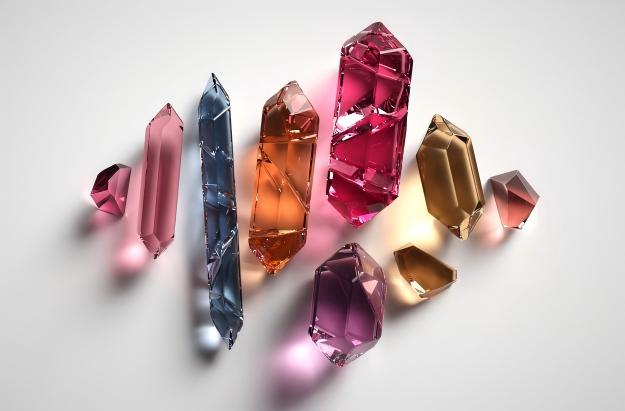
Crystals — particularly quartz — have long been used in energy healing traditions as frequency storage and transmission media. Quartz has a well-documented piezoelectric property: it generates a measurable electrical charge in response to mechanical pressure, and vice versa. This physical characteristic underlies its longstanding reputation as a resonant material that interacts with energetic fields [6].
In modern frequency therapy practice, crystals are increasingly being used as intentional imprinting media — exposed to specific frequencies from a generator, PEMF coil, laser, or scalar field, and then carried on the body, placed in a room, or kept near a sleeping area. The appeal is durability: a crystal imprinted with a frequency is considered to hold that imprint far longer than water — potentially indefinitely, though periodic cleansing and re-imprinting is recommended in most traditions.
Ready-imprinted crystals are also available commercially from practitioners who claim to have charged them with specific healing frequencies. These range from simple tumbled stones to carefully selected and programmed specimens. For users drawn to both the energetic healing tradition and frequency therapy, imprinted crystals offer a point of connection between the two fields — familiar, portable, and requiring no ongoing preparation.
5. Device-Based Frequency Imprinting Systems
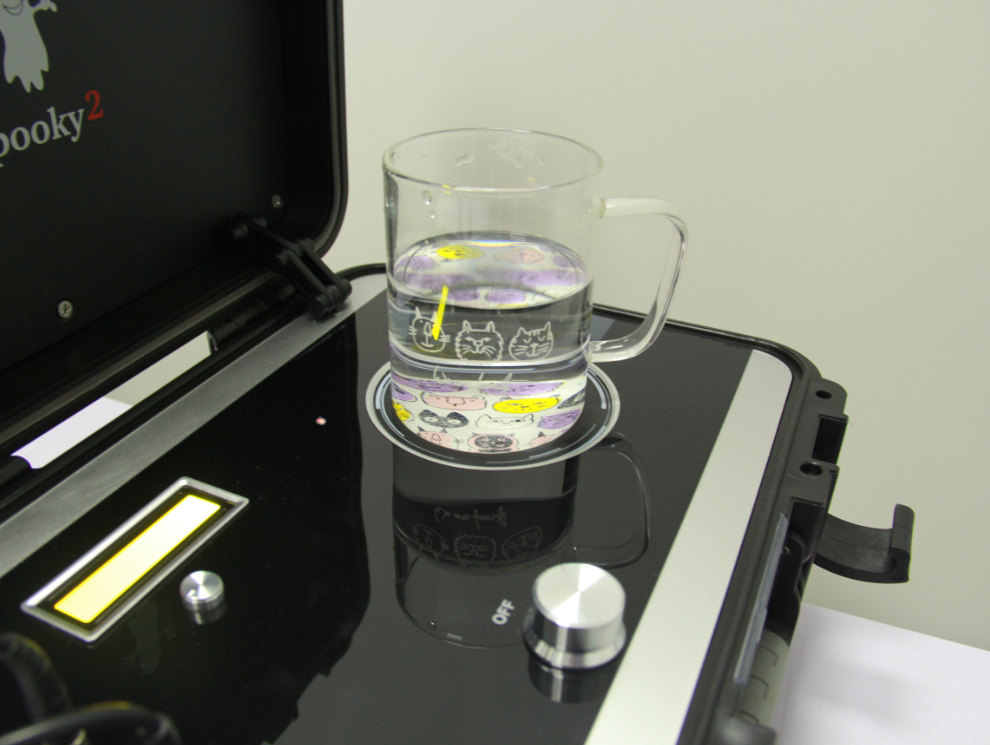
At the most technically sophisticated end of the imprinting spectrum are device-based systems — frequency generators that can actively encode specific, precisely chosen frequencies into a medium during a session. This is where the Spooky2 ecosystem stands as the most developed and accessible example currently available.
Device-based imprinting offers something that homeopathic remedies, flower essences, and commercially imprinted products cannot: full user control over which frequencies are encoded, at what intensity, using which delivery pathway, and refreshed as often as desired. A practitioner using Spooky2 can select any frequency from a library of over 70,000 programs — or use a biofeedback scan to identify the frequencies their body is most responsive to at a given moment — and imprint those specific frequencies into water, oils, or other media for daily use between sessions [4].
The Spooky2 system supports several physical routes for imprinting: the PEMF coil (placing a glass container in the coil’s central aperture), the cold laser (directing coherent light into the medium), the plasma tube (placing a container adjacent to the glowing tube during a session), and the scalar field (placing the medium within the scalar interference zone between the two coils). Each pathway produces slightly different characteristics in the imprint — in terms of harmonic richness, speed, and the nature of the frequency transfer [4].
The investment required for device-based imprinting is higher than for any other category, as it requires access to a frequency generator system. However, for practitioners already using Spooky2 for direct frequency sessions, imprinting adds a powerful complementary dimension at minimal additional cost — extending the reach of existing sessions into daily life without requiring additional hardware beyond what they already own.
Which Medium Holds an Imprint Best?
Not all media hold frequency imprints with equal stability or duration. Here is a practical overview for those choosing between options:
- Water alone: The most accessible medium but the least stable. Imprinted water is generally recommended to be consumed within one to two days for freshest effect. Always store in glass rather than plastic, away from light and electromagnetic sources [5].
- Water preserved with alcohol: Adding food-grade brandy or vodka (typically 50/50 with water) stabilises the imprint significantly — extending shelf life from days to weeks or months. This is the standard preservation method used in commercial flower essences and homeopathic mother tinctures, and is equally applicable to device-imprinted preparations [3].
- Oils: Essential oils and carrier oils can hold frequency imprints and are suited to topical application — massage oils, skin preparations, or aromatic diffusion. Anecdotal practitioner experience suggests stability of weeks to months when stored in dark glass [5].
- Quartz crystal: Widely considered the most stable imprinting medium in both the crystal healing and frequency therapy communities. A quartz crystal imprint is considered to last indefinitely, though periodic cleansing (via sunlight, moonlight, or sound) and re-imprinting is recommended to refresh the encoded information [6].
- Other gemstones and metals: Silver, copper, gold, and various gemstones are used across different traditions with varying reported effectiveness. Generally considered less reliably stable than quartz for long-duration storage.
Practical Guidelines for Working with Imprinted Products
- For water-based preparations, always use glass containers — plastic is considered to interfere with or degrade frequency imprints.
- When taking imprinted water or drops, a few drops in a glass of plain water taken several times throughout the day is a common dosing framework — mirroring established homeopathic and flower essence practice.
- Store imprinted liquids away from strong electromagnetic sources such as Wi-Fi routers, mobile phones, and microwave ovens, which may disrupt the imprint.
- For wearable imprinted items — patches, crystals, pendants — periodic refreshing is recommended. Commercial products vary in their guidance; device-imprinted items can be re-imprinted by the practitioner as needed.
- There is no reported concern about overdosing from imprinted media across any of these traditions. The working model — in homeopathy, flower essences, and frequency therapy alike — is that the body takes what is useful and remains unaffected by what is not.
Where Imprinting Fits in a Frequency Therapy Practice
Frequency imprinting, across all its forms, is best understood as a complementary layer rather than a standalone modality. Whether it takes the form of a homeopathic remedy from a pharmacy, a set of flower essence drops, a wearable patch, an imprinted crystal carried in a pocket, or a freshly device-imprinted glass of water prepared that morning — the underlying intention is the same: to extend frequency support into the spaces between formal sessions.
For those new to this field, homeopathic remedies and flower essences offer a low-cost, widely available entry point with a long tradition behind them. For those already working with frequency therapy devices, device-based imprinting opens a powerful extension of their existing practice. And for those drawn to a more tangible, everyday connection to vibrational wellness, crystals and wearables offer something to carry, hold, and return to throughout the day.
The honest framing for all of these approaches is this: the tradition of practice is substantial, the experiential reports of users across many cultures and centuries are largely positive, and the scientific mechanism remains incompletely explained. That gap between tradition and scientific validation is real — and worth acknowledging clearly. But it has not diminished the interest of millions of practitioners worldwide who find consistent value in imprinting as part of a broader approach to frequency-based wellness.
References
- [1] Davenas, E., Beauvais, F., Amara, J., Oberbaum, M., Robinzon, B., Miadonna, A., … & Benveniste, J. (1988). Human basophil degranulation triggered by very dilute antiserum against IgE. Nature, 333(6176), 816–818.
- [2] Montagnier, L., Aïssa, J., Ferris, S., Montagnier, J. L., & Lavallee, C. (2009). Electromagnetic signals are produced by aqueous nanostructures derived from bacterial DNA sequences. Interdisciplinary Sciences, 1(2), 81–90.
- [3] Bellavite, P., & Signorini, A. (2002). The Emerging Science of Homeopathy: Complexity, Biodynamics, and Nanopharmacology (2nd ed.). North Atlantic Books.
- [4] Spooky2. (2023). Four Ways of Spooky2 Frequency Imprinting. https://www.spooky2-mall.com/blog/four-ways-of-spooky2-frequency-imprinting/
- [5] Spooky2 Scalar. (2023). Spooky2 Scalar Frequency Imprinting Q&A.
- [6] Spooky2 Support. (2023). What Is the Best Material for Frequency Imprinting?
- [7] Beauvais, F. (2013). Benveniste’s experiments and the so-called ‘water memory’ phenomenon. Homeopathy, 102(1).
- [8] Oschman, J. L. (2000). Energy Medicine: The Scientific Basis. Churchill Livingstone.