

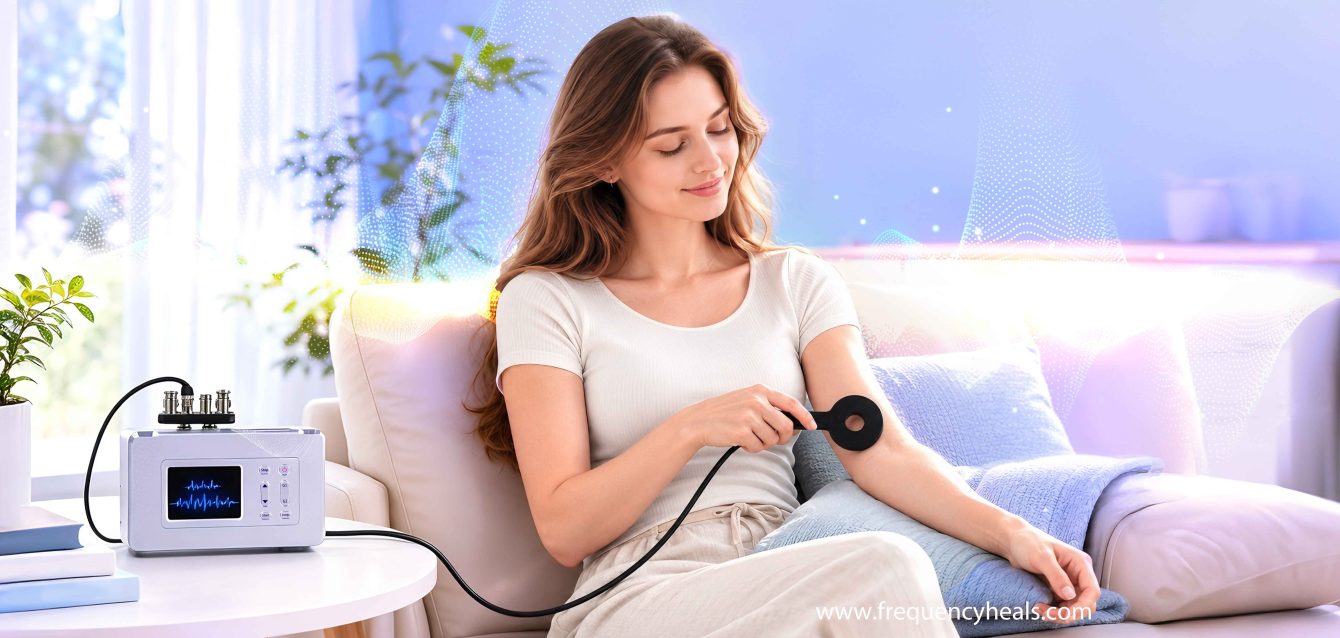
A Technology That Arrived from Space
In the 1990s, NASA faced an unexpected problem. Astronauts returning from extended space missions were experiencing accelerated bone density loss and impaired tissue regeneration — consequences of prolonged absence from Earth’s natural electromagnetic environment. To address this, NASA invested $3.5 million across four years of magnetic therapy research, developing pulsed electromagnetic field (PEMF) devices specifically to support tissue growth and repair in conditions of electromagnetic deprivation [1].
The implication was significant: the body doesn’t just tolerate electromagnetic fields — it appears to depend on them. Remove the ambient electromagnetic environment the human organism evolved within, and measurable physiological deterioration follows. This also highlights an important concept in frequency-based practices: frequencies can be delivered through different methods, each with its own characteristics and applications.
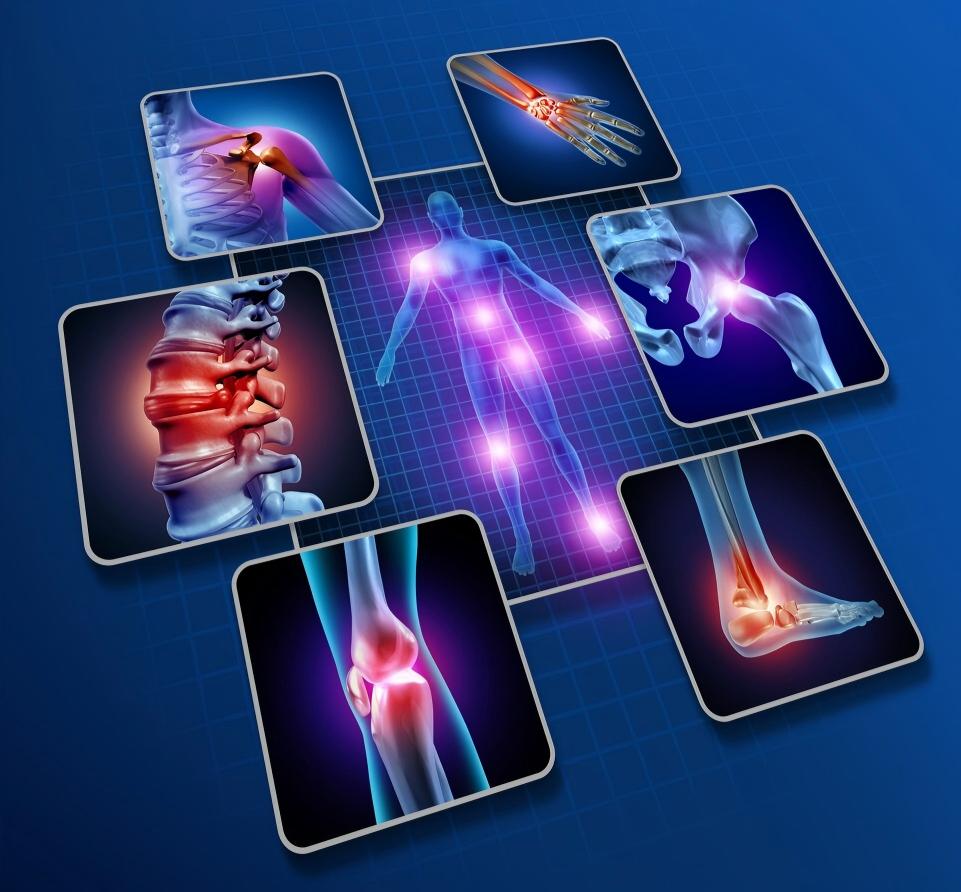
That insight helped accelerate mainstream acceptance of PEMF as a legitimate therapeutic modality. Today, PEMF has accumulated multiple FDA approvals across different clinical applications, and its most direct neurological analog — Transcranial Magnetic Stimulation (TMS) — is an FDA-cleared, clinically standard treatment for treatment-resistant depression [2]. Advanced Rife-based systems, most notably Spooky2, have taken this well-researched electromagnetic delivery mechanism a step further by combining PEMF with Rife frequency modulation — a distinctive enhancement not available on standard PEMF devices.
What Is PEMF? How Magnetic Fields Carry Frequencies
PEMF stands for Pulsed Electromagnetic Field. Its delivery mechanism differs fundamentally from both Contact Mode and Plasma Mode, and understanding that difference clarifies when to choose it.
A PEMF device passes an alternating electrical current through a coil of wire. This oscillating current generates a corresponding alternating magnetic field around the coil — a field that pulses at the frequency of the driving current. Because magnetic fields are not blocked by skin the way electrical current is, PEMF penetrates tissue, including dense tissue like bone and cartilage, without creating any sensation at the skin surface [3].
This is the key distinction from Contact Mode: Contact Mode delivers electrical current entering through the skin along a path between two electrode contact points. PEMF generates a magnetic field passing through tissue non-conductively. There is no skin sensation, no electrode contact required, no current flowing across the skin. A PEMF session is typically completely imperceptible — even though a pulsing magnetic field is passing through tissue [3].
The therapeutic effect arises because biological tissue responds to oscillating magnetic fields. The changing magnetic field induces small electrical currents within the tissue itself — described by Faraday’s law of electromagnetic induction. These induced microcurrents interact with cell membranes, ion channels, and intracellular signaling pathways in ways that researchers have been studying since the 1970s [4].
Penetration depth is one of PEMF’s most clinically relevant properties. Because magnetic fields pass through bone without attenuation, PEMF reaches skeletal structures, deep joint spaces, and spinal structures that are difficult to target through surface-contact electrical methods. This is why its earliest and most established FDA-approved application is bone healing [1].
What the Research Shows
PEMF has one of the strongest evidence bases of any non-contact frequency delivery method, built over more than four decades of peer-reviewed research.
Orthopedics and bone healing: PEMF received its first FDA approval in 1979 for treatment of non-union fractures — bone breaks that fail to heal through normal biological processes. It is now used in approximately 72% of US hospitals for non-union fracture management [1]. Subsequent FDA clearances extended to cervical fusion surgery support (2004) and post-operative edema reduction. The mechanism involves stimulation of osteoblast activity — cells responsible for bone formation — and modulation of inflammatory signaling that can impede healing [4].
Neuroscience and TMS: Transcranial Magnetic Stimulation is the high-intensity clinical cousin of PEMF, delivering focused magnetic pulses to specific brain regions. TMS received FDA approval for treatment-resistant major depressive disorder following large-scale controlled trials showing response rates of 50–60% in patients who had not responded to medication [2]. While standard PEMF and clinical TMS differ in intensity and targeting precision, they share the same fundamental mechanism: oscillating magnetic fields inducing electrical activity in neural tissue.
Cellular metabolism: Research has documented cellular-level effects of PEMF exposure, including increased ATP production, improved cell membrane permeability, enhanced microcirculation, and reduced inflammatory cytokine activity [4]. A 2009 meta-analysis in the Journal of Rehabilitation Medicine found significant improvements in pain and function in osteoarthritis patients compared to sham treatment [5]. Applications in peripheral nerve regeneration, post-surgical recovery, and chronic inflammatory conditions continue to be actively researched.
How Spooky2 Adds Rife Frequencies to PEMF: What Sets It Apart
Standard PEMF devices — clinical and consumer grade alike — pulse their magnetic field at fixed frequencies, typically in the extremely low frequency range of 1–100 Hz. The pulse frequency itself is the therapeutic input. This is how devices like iMRS, BioBalance, and Bemer operate: choose a pulse frequency, apply the coil, and tissue responds to the magnetic pulses at that rate.
Spooky2’s PEMF implementation does something no standard PEMF device does: it modulates the magnetic field with Rife frequencies from the Spooky2 database.
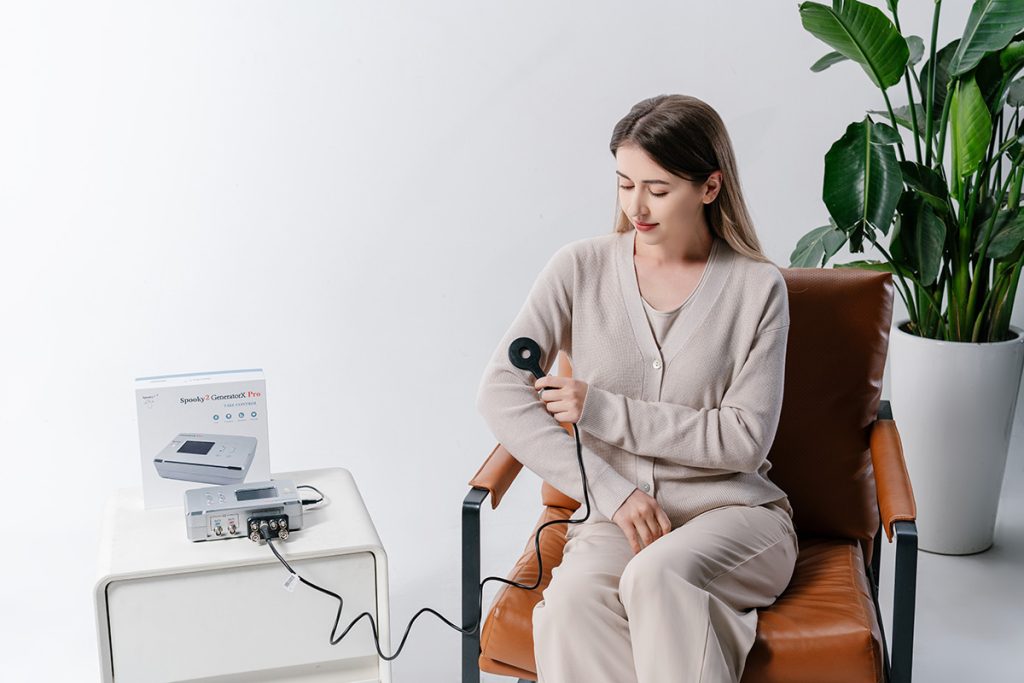
The Rife target frequency is encoded onto the PEMF pulse — effectively using the magnetic field as a carrier vehicle for frequency-specific information [6]. The result is a delivery mode combining PEMF’s deep tissue penetration with precision frequency targeting — accessing over 70,000 programs without any electrode contact and with full penetration through bone and dense tissue.
The Spooky2 PEMF coil delivers consistent signal strength up to approximately 50 kHz, with optimal performance in ranges below 30 Hz for most therapeutic protocols. It generates a globular magnetic field extending approximately 15 centimeters in all directions from the coil surface [6].
Spooky2 Central PEMF vs. Generator-Driven PEMF
- Spooky2 Central PEMF: The built-in PEMF coil on Spooky2 Central operates at a fixed 100 Hz frequency and delivers a high-power 29-volt spike at the end of each magnetic pulse. Suited to sessions where the fixed 100 Hz pulsing is appropriate to the protocol.
- Generator-driven PEMF: When the Spooky2 PEMF coil is connected directly to an XM or GX Pro generator, any frequency from the software database can be delivered through the coil — at any waveform and any session duration. This is the configuration enabling Rife-frequency-modulated PEMF. Lower frequencies, particularly around 10 Hz, are generally preferred for most therapeutic applications [6].
Who Is PEMF Mode For?
- People with skeletal or joint conditions — osteoarthritis, non-union fractures, spinal disc issues, or post-surgical bone healing — where PEMF’s deep penetration through bone is a meaningful advantage over surface-contact methods
- Those who find the skin-level electrical sensation of Contact Mode uncomfortable or want an electrode-free session
- People dealing with localized inflammatory conditions in deeper tissue — tendons, joint capsules, bursae — that surface contact cannot efficiently reach
- Practitioners running multi-channel protocols who want to add PEMF as a nighttime auxiliary channel — PEMF runs silently without skin contact, making it well-suited to operating overnight in parallel with Remote Mode on a separate generator channel
- Those interested in cellular-level metabolic support — improved mitochondrial function, circulation, and tissue oxygenation — without the intensity of Plasma or the localization of Contact Mode
Safety Notes
- PEMF is contraindicated for people with pacemakers, implanted neurostimulators, or other active electronic implants.
- Avoid using PEMF over implanted metal hardware (pins, plates, screws) unless medically cleared — induced currents in metal implants can cause localized heating.
- Pregnant women should not use PEMF without medical guidance.
- PEMF coil sessions can be run for extended durations including overnight with no adverse effects reported from over-exposure. Those new to PEMF should build up session duration gradually to manage any detox or Herxheimer response comfortably [6].
References
- [1] NASA. (2003). Pulsed Electromagnetic Fields — A NASA Technology for Tissue Repair. NASA Technical Reports Server.
- [2] Lefaucheur, J. P., et al. (2014). Evidence-based guidelines on the therapeutic use of rTMS. Clinical Neurophysiology, 125(11), 2150–2206.
- [3] Pilla, A. A. (2013). Nonthermal electromagnetic fields: From first messenger to therapeutic applications. Electromagnetic Biology and Medicine, 32(2), 123–136.
- [4] Rodgers, J. A., et al. (2025). Therapeutic potential of PEMF and LIPUS in peripheral nerve regeneration. International Journal of Molecular Sciences, 26(19), 9311.
- [5] Vavken, P., et al. (2009). Effectiveness of PEMF therapy in osteoarthritis of the knee. Journal of Rehabilitation Medicine, 41(6), 406–411.
- [6] Spooky2. (2025). Spooky PEMF Coil Q&A.
- [7] Spooky2 Support. (2022). What is the Frequency Range of the Spooky PEMF Coil?
- [8] Foley-Nolan, D., et al. (1990). Pulsed high frequency (27 MHz) electromagnetic therapy for persistent neck pain. Orthopaedics, 13(4), 445–451.








Comments
Hi
Very interesting article. I am currently going through a very tough moment in my life where I suffered a fall and as result had a fracture on my L1.
I am very much interested to know where can I get this Spooky2 PEMF, I need to heal.
I will very much appreciate any information you can provide to me.
Thank you very much,
Silma S GAutier
gautiss54@yahoo.com
1 787-590-9838
Hi Silma 💜
I’m really sorry to hear about your fall and your L1 fracture — that sounds very painful, and I hope you are getting the right medical care and support during your recovery.
Spooky2 PEMF is part of the broader Spooky2 system, and you can explore the available beginner kits here:
https://www.spooky2-mall.com/product-category/kits-for-new-customers/
If you have any questions regarding which product to choose or how to place an order, you are also very welcome to contact our customer support team, and they will be happy to assist you 💙
At this stage, it’s important to follow your doctor’s guidance while your body is healing.
Wishing you a smooth and gentle recovery journey 💙✨