

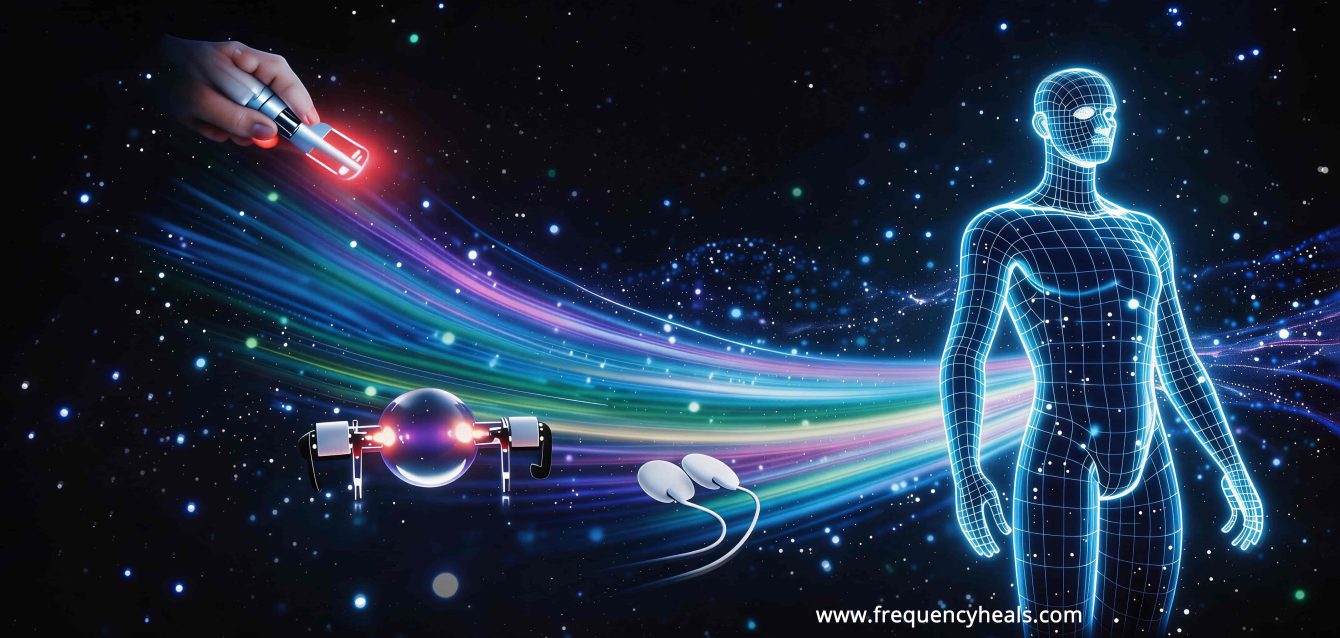
Are you feeling out of sorts? What if your body’s “tune” could be adjusted just like an instrument to eliminate discomfort and restore balance? Frequency therapy is a powerful means to tap into your vibrational essence and restore harmony within the body and mind. By introducing specific frequencies as sound, light, or electromagnetic waves, we can harmonize discordant vibrations found in our organs, tissues, and cells — and for many people, sound-based methods are the most accessible entry point, as explored in why audio is the easiest way to start. Different frequency delivery methods offer different approaches, including Direct Contact, Scalar Field, Remote Mode, Frequency Imprinting and Plasma Therapy. Electromagnetic approaches, such as PEMF frequency therapy, offer another way frequencies can be delivered through pulsed electromagnetic fields. Here we will explore some of the easily accessible ways we fine-tune ourselves to better well-being.
From sound to the quantum realm: a multitude of modalities
While frequency healing seems new, it actually goes back thousands of years to when the Aborigines played didgeridoos in their healing rituals. Over the ages, the spiritual and mystical elements of sound frequencies have been pondered over and explored by philosophers and scientists from Pythagoras to Royal Raymond Rife and beyond, leading to new frequency modalities. Nowadays, technological advances have made it possible to develop new applications of these frequencies, allowing for highly targeted therapies that address specific health concerns, each with different advantages depending on context, as discussed in audio-based frequencies: strengths and limitations.

In addition to a growing selection of affordable home devices, there are many ways to receive healing frequencies for free off your computer. No matter the mode of transmission, frequency therapy is a non-invasive approach that can be used on its own or as a complement to standard medical treatments — and understanding whether audio or device-based delivery fits your situation is explored further in listening to audio vs. using a frequency machine.
Certain audio-based modalities may not be for everybody
While generally safe, there are certain conditions in which people should exercise caution or even refrain from audio-based frequency therapies. This would include those with stress-related disorders, those prone to seizures, and those who have hearing issues. Be aware that there may be side effects such as temporary headaches, dizziness, minor tinnitus, fatigue, nausea or intense emotions. If you experience any of these symptoms or general discomfort, try reducing the volume, selecting a different frequency, changing the delivery mechanism, doing shorter sessions, taking longer breaks between sessions, and keeping hydrated. Seek the advice of a healthcare professional if these symptoms persist.
Moving away from sound: new ways to delivery frequencies
Here...or there? A variety of transmission options
Some people may not feel comfortable using audible frequencies, and lucky for them, there are many non-audio transmission modalities to choose from. Non-audio frequencies can be delivered in various ways, providing a highly accessible and adaptable form of therapy. Devices range from those that you can fit in your pocket to larger set-ups that can transform your home into a veritable healing center. As we saw with audio frequency transmission, it suffices to be within a certain range of a non-audio transmission delivery point to benefit from a given frequency. This is the case with non-Herzien electromagnetic scalar and Rife frequencies, for example. If you’re looking for more targeted results with maximum penetration, you can opt for contact mode by using accessories such as plasma tubes, hand cylinders, internal electrodes, wristbands, TENS patches, PEMF coils and mats to introduce frequencies directly the afflicted area in the body. Finally, by using the remote mode with a DNA sample like a fingernail clipping, you can work on yourself and others not only in the next room, but even in another country!
Rife - the game changer
Nearly 100 years ago, inventor and visionary Raymond Royal Rife invented the Rife machine, which emits low-frequency electromagnetic waves precisely targeting pathogens at their resonant frequencies. Rife called this the Mortal Oscillatory Rate (MOR), and it was designed to disrupt and destroy bacteria, parasites, viruses, and even cancer cells without harming healthy tissue. Stemming from traditional Rife machines that use contact electrodes or plasma tubes to deliver frequencies directly to the body, Rife technology has since lent itself to new forms of transmission, including TENS pads, contact mode, cold laser, ultrasonic, audio tones, PEMF, upgraded plasma modes and onto the realm of remote care. Newer modes of transmission are certain to see the day! For a greater feeling of overall well-being, audio transmission of Rife frequencies via speakers or headphones will help with surface-level issues related to relaxation and stress relief (mental clarity, anxiety), physical well-being (tissue regeneration, pain relief) and balance (overall harmony, higher consciousness).
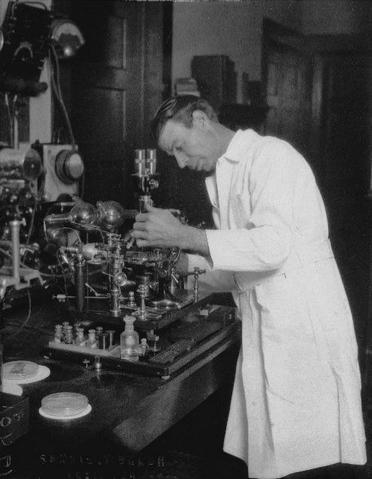
However, if you are seeking more targeted, deep-tissue delivery for serious pathologies, then it’s best to use a Rife machine. Rife machines are generally considered very safe to use, but as with all electrical devices, those wearing pacemakers, insulin pumps and cochlear implants should consider using the machine in remote mode or revert to an audio frequency transmission mode. Likewise, pregnant women should err on the side of caution and refrain from using Rife during their pregnancy.
Plasma-Based Frequency Transmission
Even before Rife, plasma medicine had started emerging as a promising therapy for a variety of diseases over a century ago. Cold atmospheric pressure (CAP) plasma devices used high-frequency irradiation that sparked effluvia via glass electrodes, creating ionized gas, or plasma. This led to a proliferation of home-care devices like the Violet Wand up though the 1950s.
Rife himself saw that both plasma tubes and electronics could work together to target and destroy pathogens. He also understood that ionized gas, or plasma, could then be directed and controlled for various applications. Rife’s first ray-beam device utilized a radio transmitter to excite a gas plasma (helium) formed within a vacuum glass tube to “hunt and kill” pathogens without harming healthy tissue.
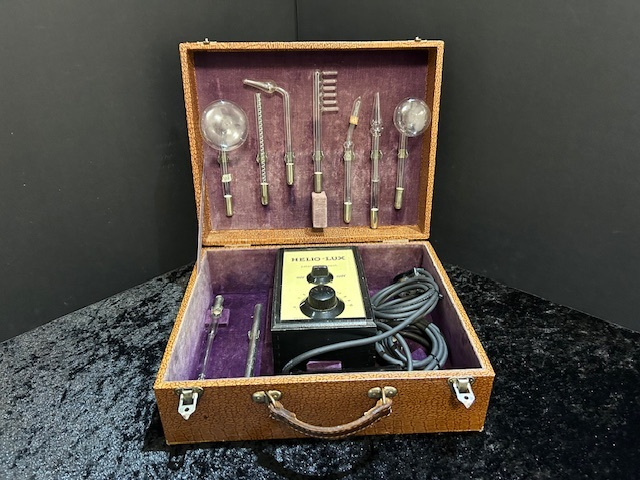
Plasma-based Frequency Transmission utilizes high-frequency electrical/electro-magnetic currents to induce controlled heating of tissues, stimulating collagen production and promoting tissue regeneration. The frequency of plasma refers to the rate at which these electrical currents oscillate, typically measured in Hertz (Hz). Frequencies higher than 1 MHz are often preferred for superficial treatments, such as lesions, while those below 1 MHz, are used for deeper tissue penetration. While Plasma-Based Frequency Transmission is commonly used in cosmetic procedures, its capacity to deliver strong, targeted energy is now playing an important role in treating more serious health issues such as Lyme disease and cancer.
The potency of this delivery method makes it preferable for shorter, more intense treatments rather than longer-term health maintenance. Those with active skin conditions, sores, open wounds, or infection in the treatment area should refrain from using Plasma-Based Frequency Transmission. There’s a bit of a learning curve for those who decide embark on this modality, but fortunately, there is a growing online support network, with plenty of documentation and free courses, which is quite reassuring.
Contact frequency transmission: a good starting point for newcomers
For those new to frequency healing, that lack of sensorial support can be a bit disconcerting because we are used to physical medical mediums. This is why contact modes like TENS and EMS are an excellent bridge into frequency healing.
Like many frequency modalities, electrostimulation hails back to antiquity, where one of the very first treatments was applying a torpedo fish directly to the body to relieve chronic pain.
TENS: 10/10 for pain relief at the source
TENS, or Transcutaneous Electrical Nerve Simulation, was developed by the American neurosurgeon C. Norman Shealy in the 1970s to treat migraines, back pain and gout. He based his work on the Gate-Control theory, which suggests that an electrical current can “short circuit” the pain signals sent to the brain. Not only did electrostimulation achieve this, it was also observed that it helped the body produce endorphins, further enhancing pain relief. A TENS unit, which consists of a hand-held transmitter and end pads, is safe and easy to use. Simply position the pads on either side of the afflicted area and turn on the device for a minimum of 15 minutes and work your way up until you start feeling the full effects.
EMS - zapping into muscular strength
As with TENS, EMS, or Electric Muscle Stimulation, was inspired by the same torpedo fish. However, its pathway with TENS diverged a bit in the 18th century, when Italian physician and physicist Luigi Galvani discovered that he could cause a frog’s leg muscles to contract by passing an electric current through its spine. It’s interesting to know that this discovery was the inspiration behind Mary Shelley’s novel, “Frankenstein”.
In real life, EMS started being used routinely to treat acute and chronic ailments in the 1920s. Nowadays, it’s a common modality for muscular recovery, tissue repair and performance enhancement. EMS is often seen as something elite athletes use to prepare for important competitions, not realizing it has wide-ranging benefits for everyone. The price points and quality vary greatly among EMS devices, so do your research if you are considering purchasing one.
As with any electronic health device, certain precautions should be taken when using contact modes such as TENS and EMS. Do no place over soft tissue areas like the eyes, mouth, neck or genitals, for example. Avoid if you have cardiac/circulatory issues, are pregnant, wear implanted devices, are actively treating cancer, or have epilepsy. When in doubt, seek the advice of a health care professional familiar with these devices.
A little more on how the remote mode works
So, how can someone’s fingernail clipping possibly work on healing that person at a distance? The magic behind this stems from the theory of quantum entanglement, which was referred to as “Spooky action at a distance” by Einstein. In a nutshell, this means that no matter how far two subatomic particles are separated, their properties are connected. While this is hard to grasp in terms of matter, it makes sense in terms of energy. Essentially, information is traveling via frequency from one point to reach its subatomic twin in another. So the DNA in that fingernail, merging with the healing frequencies of the transmission device, will reach fingernail’s owner and do its magic.
PEMF
Pulsed Electromagnetic Field (PEMF) therapy uses electromagnetic fields delivered in pulses to interact with the body. Most PEMF systems use low frequencies, typically ranging from 1 Hz up to about 10,000 Hz. In addition to frequency, waveform (e.g., square, sine, sawtooth) and intensity contribute to how a given frequency interacts with the body. Very low frequencies, such as those in the Delta brainwave band (0.5-4 Hz), promote deep relaxation and improve sleep. Frequencies around 7.8 Hz are often linked to the Earth’s Schumann resonance and help with overall balance. A 10 Hz frequency not only aids in stabilizing circadian rhythms, it has also shown potential in tissue and cell regeneration. The most common way to receive PEMF frequencies is by lying down on a PEMF mat or by placing the PEMF coils directly on the afflicted area of the body.
PEMF is considered to be an easy, gentle way to deliver frequencies, with virtually no side effects other than some temporary tingling and warmth at coil contact points. However, there are some people who shouldn’t use this device. Individuals with implanted electronic devices (e.g., pacemakers, cochlear implants) should not use PEMF therapy due to the risk of electromagnetic interference. Women should also avoid PEMF during pregnancy as the effects on fetal development are still unknown.
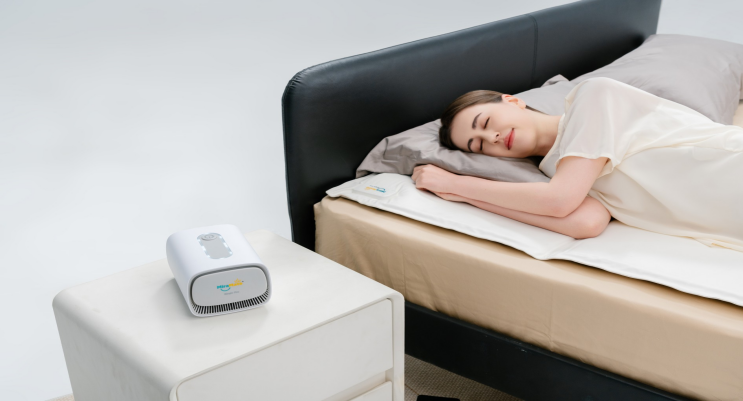
Patients with active cancer, bleeding disorders, or prone to seizures should consult with a specialist before using PEMF therapy as some studies have suggested that PEMF could accelerate tumor growth, while its vasodilatory effects could worsen bleeding.
Scalar Frequencies
Scalar waves are non-Hertzian waves that do not follow the conventional laws of physics. A scalar field is created between the two boxes (Transmitter and Receiver), which creates a healing environment. Unlike electromagnetic waves, scalar waves can travel faster than the speed of light and are not diminished by distance. This unique property allows scalar waves to penetrate various materials and interact with with the energy fields and vibrations of the human body and other biological systems. Scalar waves are able to restore cell communication, exposing the diseased cells to the body’s defenses, and giving cells much-needed energy to open and remove the blockages. Moreover, they are resonant with DNA and consciousness, capable of imprinting information.
Imprinting is a means by which a frequency carrying information is coupled to scalar waves, a torsion field (1) or orgone (2) field. This principle lies outside Maxwell’s equations, which are the accepted rules of how the Universe governs the behavior of electric and magnetic fields. Imprinting provides an additional means of obtaining frequency benefits. Instead of running frequencies directly, you can use Scalar to imprint frequencies into water or holographic stickers, for example. Then, by drinking the water or wearing the patches, the information transmits into your body, allowing it to absorb the benefits of the imprinted frequencies.
Many Scalar devices consist of two emission points that work in tandem to create a field of care around the person being treated. Newer models can fit in your pocket or can be worn around your neck as a pendant. While Scalar energy is very safe and have no contraindications, there are certain precautions. If you are diabetic and taking insulin, you should check your blood sugar levels after a session. If you are running detoxing programs too aggressively, you may suffer from a Herxheimer (Herx) reaction, which resembles the flu. This is uncomfortable, but temporary, and can be alleviated by taking longer breaks in between detox sessions, resting and keeping hydrated.
Cold laser
Cold laser, or low-level laser therapy (LLLT), uses non-thermal light photons that penetrate the skin and its underlying fat tissues. The light energy is absorbed and interacts with light-sensitive elements within the cells, stimulating ATP (life’s “energy currency”) production in the mitochondria. This increasing intracellular metabolism results in a reduction in pain, inflammation, and edema, and so much more.
Most cold laser devices are hand-held “guns”, but there are also more tailored accessories like wristbands that can treat carpal tunnel syndrome and mini wands that can be inserted in the nostrils, ears and mouth to treat dental pain, tinnitus, etc. Unlike other forms of laser therapy, cold lasers do not produce heat, so there is no risk of burns or tissue damage. Nevertheless, certain precautions should be taken. Refrain from using cold laser therapy if you are pregnant, are on immune suppression therapy, have epilepsy, or wear any internal electronics like pacemakers or cochlear implants. As cold laser therapy stimulates cellular regeneration, it is not advisable to use on cancerous tumors, bacterial infections, or to treat a port.
Ultrasonic therapy
Ultrasonic therapy uses sound waves with frequencies that exceed the upper audible limit of human hearing, about 20 kHz. These sound waves generate both thermal and non-thermal effects within the body. Sound conducts far better in water and solids than it does in air, and as our bodies are 70% water and 30% mostly solid, ultrasound frequencies can literally flood the entire body with frequencies, alleviating pain, improving circulation, and facilitating tissue repair.
While ultrasonic therapy is non-invasive and generally safe, care should be taken when using it. Using ultrasonic therapy too frequently or improperly can lead to adverse effects, such as tissue damage or burns, particularly with a thermal ultrasound if the transducer remains stationary for too long or if intensity and duration settings are excessively high.
As ultrasound frequencies may increase cellular regeneration, this mode of therapy should generally not be used in certain situations such as cancer or during pregnancy, nor on particular parts of the body, on children, near the eyes, around the heart (especially if you are wearing a pacemaker) and over reproductive organs. People who lack heat sensitivity, have total joint replacements, or have vascular problems should refrain from its use as the heat generated by ultrasound frequencies may cause harm.
A final word
As many of you might be new to these modalities, if you have any doubt about using them, or have a condition that may not be compatible with the approach you are using, do not hesitate to seek the advice of a health care professional who is familiar with them. That all said, what makes frequencies so remarkable is that they are non-invasive, working with our bodies, not against them. More and more people are opening up to frequency healing, creating a vast body of anecdotal and empirical evidence as well as a growing support network for those hopping on board. The icing on the cake is that there is so much to choose from, so as we learn to take our health into our own hands, we can experiment with the frequencies that resonate best with us. And that’s empowering!
Resources:
- Therapeutic Frequency Healing Guide | PDF
- The side effects of sound therapy & biofield tuning
- Harnessing Brainwave Entrainment: A Non-invasive Strategy To Alleviate Neurological Disorder Symptoms – ScienceDirect
- Rife vs. Solfeggio Frequencies: Understanding the Differences and Benefits – Zone Life
- BRMI | History – Dr. Royal Raymond Rife, Jr.
- EMS vs. TENS – How Do They Differ?
- A Brief History of Electrotherapy & Its Uses for Pain Relief
- Electrotherapy Contraindications – Physiopedia
- What is: Scalar Energy – Understanding Its Benefits
- Frequency of Plasma RF: Understanding Basics – Vacuum Coating Systems
- Blog – Spooky2





Comments
i am interested for Healing Frequencies about lungs and ear.
Hi Emmanuel 💜
Thank you for your interest. 😊
If you’re looking for frequency sessions related to lung and ear wellness, you may explore these:
🌿 Balance Respiratory System Microbial for Healthy Lungs & Throat
https://www.frequencyheals.com/frequencies/balance-respiratory-system-microbial-for-healthy-lungs-throat/
👂 Inner Ear Health & Vestibular Balance | Tinnitus & Dizziness Support
https://www.frequencyheals.com/frequencies/inner-ear-health-vestibular-balance-for-tinnitus-dizziness-sound-healing/
We hope these frequencies can be a helpful addition to your wellness routine. Please listen at a comfortable volume and at your own pace. 🎧
Wishing you all the best on your frequency journey. 💙✨