

It’s that time of the year when pink ribbons are everywhere, reminding women to get screened for breast cancer. The major focus has always been on diagnosis and treatment, and yet women everywhere just want to learn about prevention and maintaining good breast health…especially after having breast cancer. The good news is that there is so much you can do, from making healthy dietary choices and getting more rest to saunas, exercise and meditation. It’s time to pamper yourselves- not just for one month, but all year long!
Here, we are going to see how frequencies can be used to promote breast health. But before we proceed, let’s get acquainted with our fabulous breasts.

Anatomy of a breast
Your breasts are not just simple mounds of fat. They contain a fascinating network of glandular and connective tissue, blood vessels, lymphatics, nerves…and yes fat, too. This means that breasts are one of the most complex organs in the body. The principal elements are: glandular tissue, which is organized into lobes and ducts to produce and transport milk; adipose (fat) tissue, which give breasts volume and shape; and finally connective tissue and blood vessels that hold it all in place.
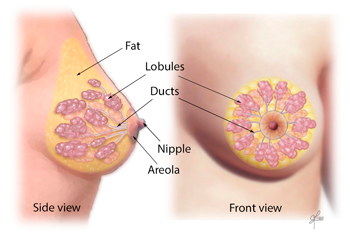
Depending on your age, you have surely noticed the big changes in your breasts during puberty, pregnancy and lactation, or after menopause. The ratio of fat to glandular tissue varies enormously between individuals and shifts over a lifetime. Essentially, younger women’s breasts tend to be denser with more glandular tissue, while older, post-menopausal women’s breasts have more adipose fat. Breast fat, which contains immune cells and an extracellular matrix, plays an active role in the breast changes that women undergo throughout their lives.
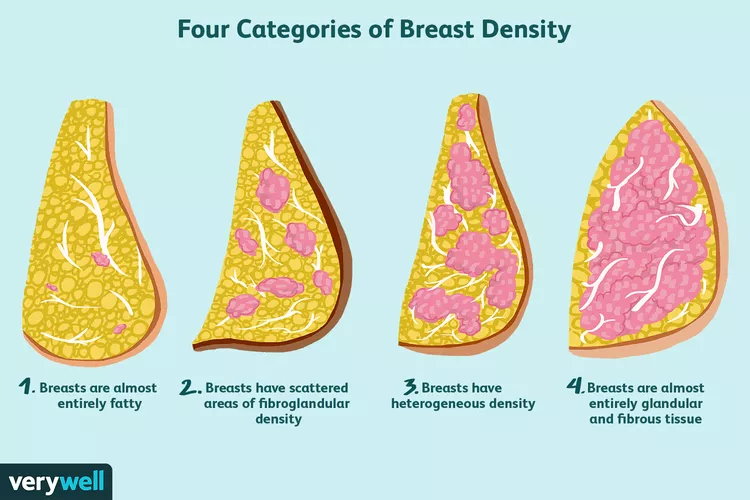
Both breast types present potential risks, and studies are still underway to learn more about the causes for each of them. The denser, more glandular tissue of younger women’s breasts is also more fibrous, making them likely places for cyst development. Fibrous tissue itself is not an issue, but some of the cysts within may have a slightly higher rate of turning cancerous. As dense breasts have more cells, there’s an additional risk of abnormalities to occur.
On the other hand, as a woman enters menopause, some estrogen production shifts from the ovaries to the fatty tissue in the breast. Estrogen is known to feed cancerous tumor growth, so the higher fat-to-glandular tissue ratio of older women puts them at risk. Adipose fat breast tissue also tends to store certain lipophilic (fat-loving) chemical contaminants, which in turn can lead to myriad issues down the road.
Hormones- the driver of breast function…and health
Estrogen and progesterone are the primary drivers of breast development at puberty. During each menstrual cycle, rising and falling levels of estrogen and progesterone cause subtle swelling and regression in breast tissue, sometimes making breasts feel full and tender in the days before a period. During pregnancy, hormonal surges dramatically expand the ductal and lobular network, preparing the breast for milk production. After weaning, the process reverses and much of that extra glandular tissue is broken down and replaced by fat.
Disruptions in the delicate balance of these hormones may initiate and help the spread of breast cancer. Hormonal imbalance activates estrogen receptors (ERs) and progesterone receptors (PRs) in breast cells, which can contribute to uncontrolled cell proliferation and cell death inhibition. Estrogen also promotes the growth of blood vessels and stimulates the production of growth factors that facilitate tumor formation and metastasis. Furthermore, it has been recently suggested that other hormones like insulin can cross over into these hormone pathways, triggering breast cancer progression.
When things can go awry
Understanding the structure of breasts and their inner workings will help us be more aware of their vulnerabilities. This knowledge will help you navigate the varied terrain of breast issues.
Cycles of breast growth and regression during a woman’s life occur in a tightly regulated manner, but that doesn’t mean these processes can’t be thrown off. Numerous factors such as exposure to endocrine disruptors, pollutants and pesticides are just a few of the things that negatively affect these cycles, which can lead to abnormal cell growth. Knowing what can disrupt these cycles can help steer women towards making informed choices at the supermarket and cosmetic counter.
A reassuring word on benign conditions
Roughly half of all women over 30 will experience breast pain (Mastalgia) and fibrocystic changes, but most of these do not translate to cancer. Fibroadenomas, which present as painless, rubbery, mobile lumps are the most common benign tumors. The broader category of benign breast disease includes developmental abnormalities, inflammatory conditions, and various proliferative lesions. Nevertheless, as there is no such thing as zero risk, get checked out by your doctor when you’re in doubt.
Genetics vs epigenetics- who’s the bogeyman?
Genes were long thought to be the cause of breast cancer. However, epigenetics, or the external factors that impact gene expression, plays a much greater role in breast issues across the board. In fact, only 5% to 10% of breast cancers are caused by specific mutations passed down through families via the BRCA1 and BRCA2 genes. While family history can also contribute to a person’s overall risk, the causes are not strictly attributed to a specific gene. About 10% to 30% of breast cancer cases are polygenic, which is when multiple smaller genetic variants combine to form tumors. The remaining 70%-90% of breast cancers stem from DNA damage are due to external factors. In other words, breast cancer isn’t something you normally inherit; it’s something that develops…and that gives us the power to prevent breast cancer or increase our chances of fully recovering from it.
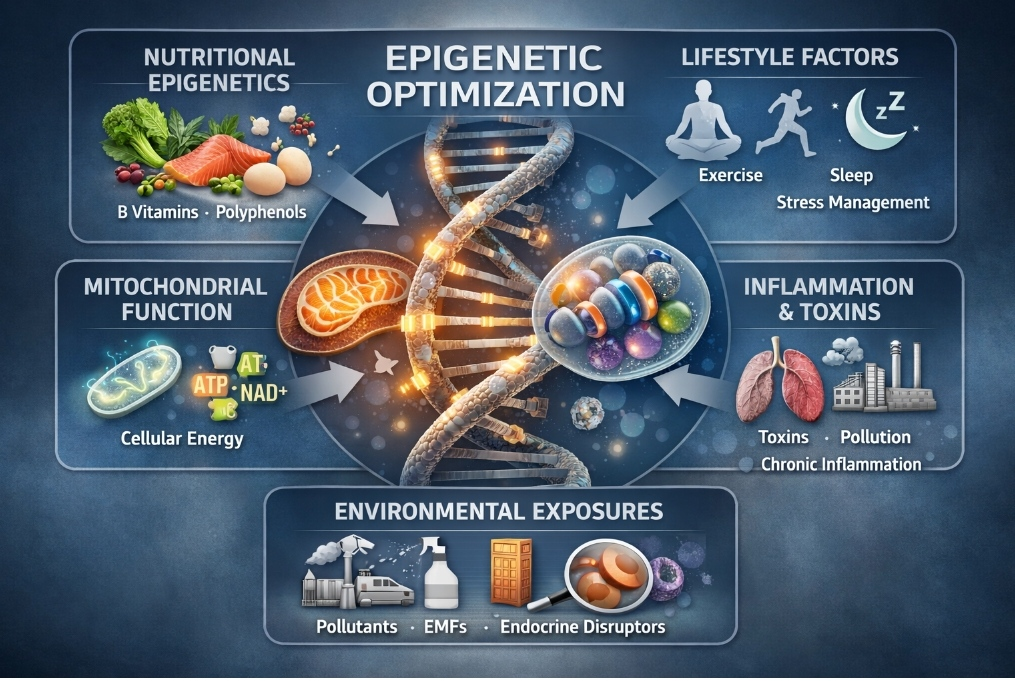
Here are some factors that can negatively impact breast health:
- Physical inactivity
- Obesity and being overweight after menopause
- Alcohol consumption
- Hormone replacement therapy(taken for more than five years during menopause)
- Thyroid health (both hypothyroidism and hyperthyroidism present a greater risk of developing breast cancer)
- Reproductive history(having a first pregnancy after age 30, never breastfeeding, or never having a full-term pregnancy can all contribute).
- Smoking
- Lack of vitamin D
- Wearing underwire/tight bras (these result in reduced lymphatic activity)
- Eating processed foods (sugar, carbs, seed oils, chemical additives…)
- Exposure to harmful chemicals in everyday household and personal care products (the list is long- refer to this excellent interactive website)
- Exposure to other pollutants (here is a “best of the worst” list)
- Using Teflon cookware and plastic containers
- Unresolved emotional issues (an often-overlooked factor, yet a common thread among those who have had breast cancer)
Now that we’ve gotten to know our breasts and what can go wrong with them, let’s look at what we can do to optimize breast health.
Breast wellness- self-care at its best
As you have just seen, there are myriad factors that negatively impact breast health, so let’s take that list and tweak it to our advantage. Here is a list of what you can do to improve breast wellness and reduce the risk of breast cancer:
- Make healthy lifestyle choices: This seems obvious, but making a little change that becomes a habit is better than trying to tackle too much at once and give up.Cook at home more with unprocessed ingredients, cut out sugar (swap out for monk fruit or stevia), limit (or cut out) alcohol intake, get more regular exercise (try rebounding or taking walks in nature), get vitamin D from the sun (here’s how to do it safely), and it goes to say- stop smoking (easier said than done, but there’s support!)
- Swap out the bad for the good: Toss outthe Teflon for stainless steel or cast-iron cookware, get rid of that underwire bra and opt for a less constricting one (or none at all!), use natural, organic haircare/skincare products and makeup, be wary of colors and fragrances in your household products- opt for homemade– not only is it safer, it’s much cheaper!
- Breastfeed:One study reported that breast cancer risk drops by 4.3% for every 12 months of breastfeeding, on top of a separate 7% reduction for each birth. Breastfeeding produces prolactin, which in turn reduces estrogen, the hormone that’s directly involved in the growth of certain types of breast cancer cells. Oxytocin, which is purported to protect against tumor formation, is also released during breastfeeding. Finally, as the breast tissue remodels throughout the lactation process, the body may be able to clear out damaged or mutated cells that could otherwise turn into cancer.
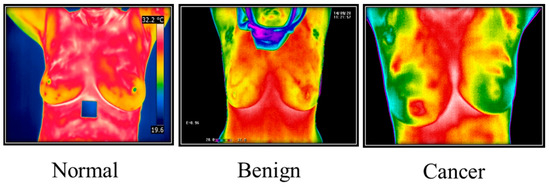
Diagnosis isn’t prevention There’s a lot of pink ribbon talk about regular breast check-ups, and yes, keeping tabs on your breasts is very important. However, as more and more doubts are being raised about the safety of mammograms, women are looking to alternative screening methods. One of the best learning tools to do a top-rate monthly BSE (Breast Self Examination) is “My Best Friend”. If you have any doubts after doing a thorough BSE, you should follow it up with a screening with a trained professional. A rising star in breast imaging is thermography, which detects suspicious blood vessel development in the breast, a precursor to early tumor formation. When coupled with AI, thermography provides superior diagnostic accuracy. If thermography isn’t an option, look to ultrasound, which is often used in tandem with mammography, especially if there has been an abnormal mammogram reading or if imaging dense breast tissue. Being aware of any changes in your breasts and seeking medical advice when in doubt is always advisable.
An unexpected ally in breast health: frequencies!
Looking at all the information that has been covered so far, we can now create our own tailor-made frequency programs to troubleshoot epigenetic hotspots. Before we look into specific frequencies, it’s good to have a basic understanding on how frequencies can enhance breast health.
As hard as it is to believe, what we perceive as matter can be compacted into a speck of dust. The rest of what our senses pick up are frequencies, and that includes what makes up our bodies. These frequencies can be tuned- much like how a conductor leads an orchestra- so that every cell, tissue, and organ vibrates at its unique, optimal frequency.

Likewise, frequency disruptions stemming from stress, environmental factors, or hormonal imbalances will energetically affect our bodies- and breasts are particularly vulnerable. Playing frequencies offers a non-invasive way to restore balance at a cellular level and promote breast health.
More specifically, frequencies can: support healthy breast tissue repair and regeneration, boost natural healing processes, help alleviate breast discomfort, improve energetic flow throughout the breasts, reduce stress for deeper relaxation to aid in recovery, and help overcome emotional issues and trauma that may energetically store up in breast tissue.
Looking back at the list of epigenetic factors that can negatively impact breast health, let’s now look at a few of the frequency programs from the Frequency Heals library that can directly or indirectly help promote breast wellness:
Detox:
Hormones:
Repair and regeneration:
Supplements and Essential Oils:
Emotional support:
Sleep:
To finish off, here is a lovely one-hour breast-specific program (YouTube):
As with other frequency protocols, the best results come by following a few simple guidelines:
- Create a space that’s conducive to healing: Find a dimmed, quiet, comfortable space like your bedroom, a meditation corner, or any peaceful area where you won’t be disturbed. Download your frequencies and put your phone on airplane mode. Use a headset to create a more immersive environment with fewer distractions.
- Auditory comfort is important:Some frequencies are inaudible, while others are more strident. Still others will be embedded into soothing music. Start with the volume down and raise it to your comfort level.
- Consistency is key: Try to incorporate frequencies into you daily routine (the best times being when you first wake up or when you go to bed).
- Keep a journal of your wellness program: Note the frequencies you’re using, how often you’re using them, how long the sessions are (on average 30 minutes, but can be shorter or longer), and any changes that have taken place (or haven’t taken place). Keep track of everything- you may find yourself sharing your protocol with a friend!
- Try to make lifestyle changes to enhance positive outcomes: You won’t get the same effect if you’re still holding onto unhealthy habits.
- Try to ground before or after a frequency session:Using a grounding mat or walking on the grass with your bare feet can move free radicals out of the body and bring beneficial negative ions into the body.
- Attitude is everything:If you’re reading this article, it’s pretty obvious that a positive attitude is important. Boost that with anticipatory gratitude- thank yourself ahead of time for the healing that has already taken place. Studies have shown this to be a powerful tool in healing.
As you can see, frequencies can be used in preventive breast care or as an adjunct modality for more serious conditions. By combining frequency healing sessions with conventional and other proven alternative treatments while focusing on overall well-being, individuals can experience a holistic approach to recovery and lasting breast wellness.
Resources:
- 285 Hz for Breast Pain & Inflammation | Soothing Healing Frequency
- The Human Breast: Anatomy, Function, and Health – Biology Insights
- Dense Breast Tissue: What It Means for You – National Breast Cancer Foundation
- The Estrogen and Breast Cancer Connection | Breast Cancer Research Foundation
- Breast infections (mastitis): Symptoms, causes, types, and treatment
- Is Breast Cancer Genetic? Hereditary Risk Explained – Science Insights
- How to Breast Cancer Risk Beyond BRCA1 and BRCA2 Genes |
- Unveiling the Role of Hormonal Imbalance in Breast Cancer Development: A Comprehensive Review
- Risk of Breast Cancer in Females with Hypothyroidism: A Nationwide, Population-Based, Cohort Study – Endocrine Practice
- Exploring the profound link: Breastfeeding’s impact on alleviating the burden of breast cancer – A review
- What Is Epigenetics?
- Bras and Breast Cancer.org
- Vitamin D and Breast Cancer Risk
- Integrative and lifestyle medicine strategies should include Earthing (grounding): Review of research evidence and clinical observations – ScienceDirect