

For most people, frequency healing begins with audio.
They discover binaural beats on a streaming platform, try frequency-embedded music for sleep, or stumble across isochronic tones recommended for focus. The experience is often surprisingly effective — stress eases, sleep improves, concentration sharpens. Audio frequencies become part of their wellness routine.
And then, for some people, a question emerges: What else is possible?
Maybe audio frequencies helped, but not quite enough. Maybe their lifestyle makes consistent listening impractical. Maybe they’re managing chronic conditions that seem to need something more intensive. Or maybe they’re simply curious about how frequency healing works through other delivery methods.
This is the natural progression that leads people from audio-based frequencies toward exploring frequency therapy devices.
It’s not an upgrade or a requirement — audio continues serving millions of people effectively. But for those whose needs extend beyond what audio can practically deliver, or whose curiosity about frequency healing deepens, devices represent the next chapter in their frequency therapy journey.
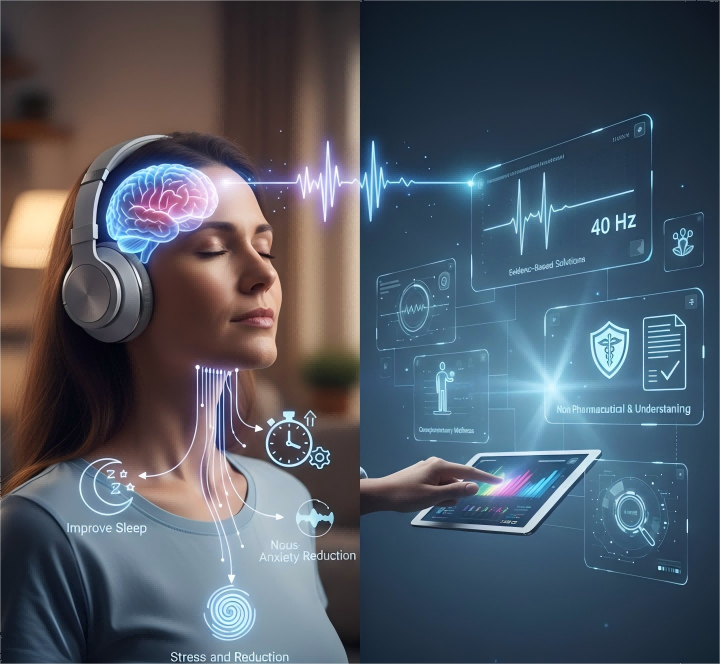
Let’s explore why people make this transition and what they’re seeking when they do.
The Audio-to-Device Journey: A Natural Progression
Understanding why people explore frequency devices begins with recognizing how most people arrive at that exploration. The typical path looks something like this:
Stage 1: Discovery through audio
Someone tries binaural beats for anxiety, listens to frequency music for sleep, or uses isochronic tones while studying. The experience is positive enough to continue.
Stage 2: Consistent use and results
Over weeks or months, they notice genuine improvements. Sleep quality increases. Stress feels more manageable. Focus comes more easily during listening sessions. Audio frequencies become a trusted tool.
Stage 3: Recognizing limitations or expanding needs
Then something shifts. Perhaps:
- The condition they’re addressing becomes more persistent or severe
- Their lifestyle makes regular audio listening difficult
- They want frequencies working while they do other things
- They become curious about localized frequency application
- They wonder if other delivery methods might be more effective for their specific situation
Stage 4: Exploring alternative delivery
This is when people begin researching frequency devices like Spooky2— not because audio failed, but because their needs or curiosity have evolved beyond what audio can practically provide.
This progression matters because it means people exploring devices typically arrive with experience, understanding, and realistic expectations. They’re not beginners searching for quick fixes; they’re informed users seeking appropriate tools for their specific circumstances.
Addressing Chronic or Persistent Conditions
One of the most common reasons people transition from audio to devices is the nature of what they’re managing.
Audio frequencies work well for daily wellness, stress management, sleep support, and mild-to-moderate symptoms. But chronic conditions — persistent pain, long-term anxiety disorders, ongoing inflammation, or deeply rooted stress patterns — often require more intensive frequency exposure than audio listening can practically provide.
Research on frequency therapy for chronic pain, for example, shows benefits from consistent, sustained frequency application [1]. While audio frequencies can provide support, listening for the hours daily that might be needed for chronic conditions becomes impractical for most people.
Frequency devices offer different delivery methods — electromagnetic frequencies, vibrational therapy, or direct application using TENs pads or scalar field— that can work passively while people go about their day. You don’t need to sit and listen; the frequencies reach you regardless of what you’re doing.
For someone managing fibromyalgia, chronic migraines, or long-term inflammatory conditions, this passive delivery becomes not just convenient but necessary for the kind of consistent exposure that supports meaningful change.
Lifestyle and Practical Constraints
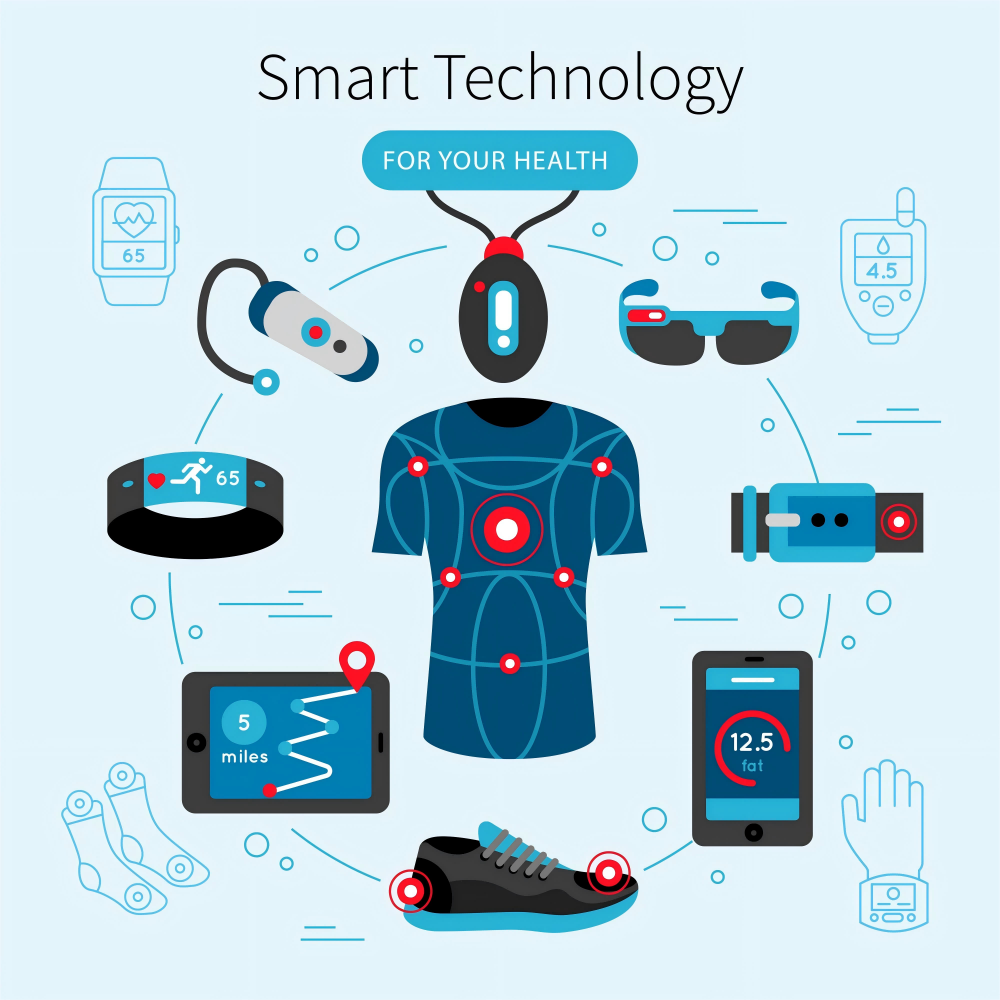
Some people find audio frequency therapy genuinely helpful but practically difficult to maintain.
Their work environment doesn’t allow headphone use. Their schedule doesn’t accommodate dedicated listening time. They have young children who interrupt audio sessions. They experience headphone fatigue or discomfort with extended listening.
These aren’t failures of motivation — they’re real-world constraints that make consistent audio use challenging.
Frequency devices address these practical limitations. Wearable devices, for instance, can deliver frequencies throughout the day without requiring attention or disrupting activities. Localized devices can target specific areas while you work, exercise, or sleep.
For professionals in demanding jobs, parents managing busy households, or anyone whose lifestyle makes audio listening impractical, devices offer a way to maintain consistent frequency therapy without adding time burden or environmental requirements.
Curiosity About Different Delivery Mechanisms

Some people explore frequency devices simply because they want to understand how frequency healing works through different mechanisms.
Audio frequencies work through sound waves affecting the auditory system, which then influences brainwave patterns and nervous system responses. It’s an indirect pathway — sound to brain to body.
Frequency devices using electromagnetic fields, vibration, or other delivery methods interact with the body differently. For people intellectually curious about frequency healing, exploring these different mechanisms becomes part of deepening their understanding and optimizing their personal protocols.
This isn’t dissatisfaction with audio — it’s genuine curiosity about the full spectrum of how frequencies can support health.
The Desire for Passive, Ongoing Support
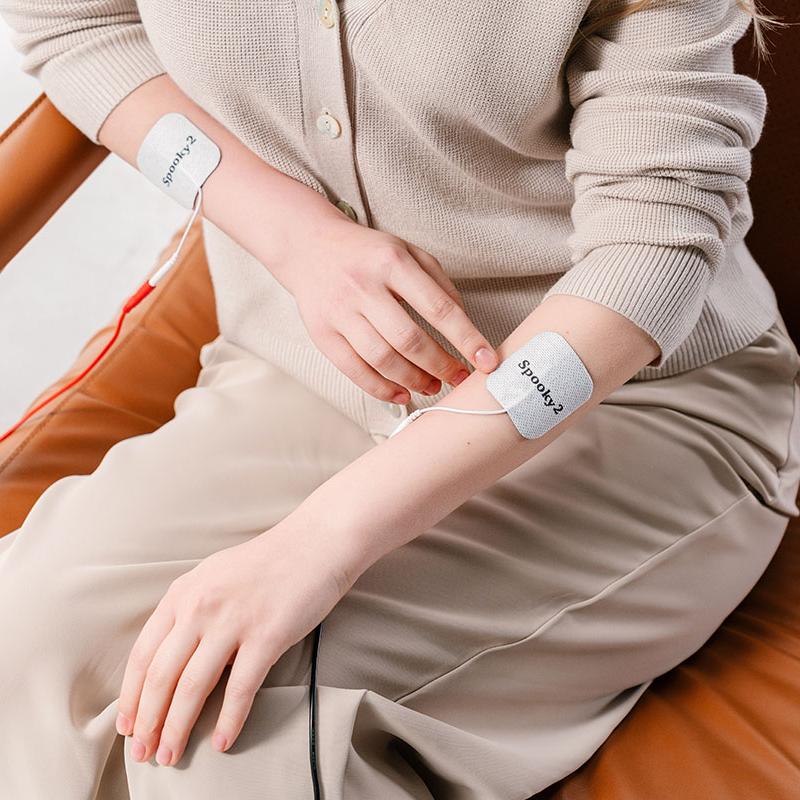
One significant appeal of many frequency devices is that they work passively.
With audio, you’re actively engaged in listening — you can’t do deep work, have conversations, or fully disconnect while frequency therapy is happening. The listening itself requires a degree of attention and environmental accommodation.
Many frequency devices, by contrast, work in the background of life. Wearable devices deliver frequencies continuously. Pad-style devices work while you sleep. Localized devices can be worn during daily activities.
For people wanting frequency support to be truly integrated into life rather than a separate activity, this passive delivery becomes highly attractive. It’s the difference between “sitting down to do frequency therapy” and “frequency therapy happening while I live my life.”
Professional or Clinical Recommendations
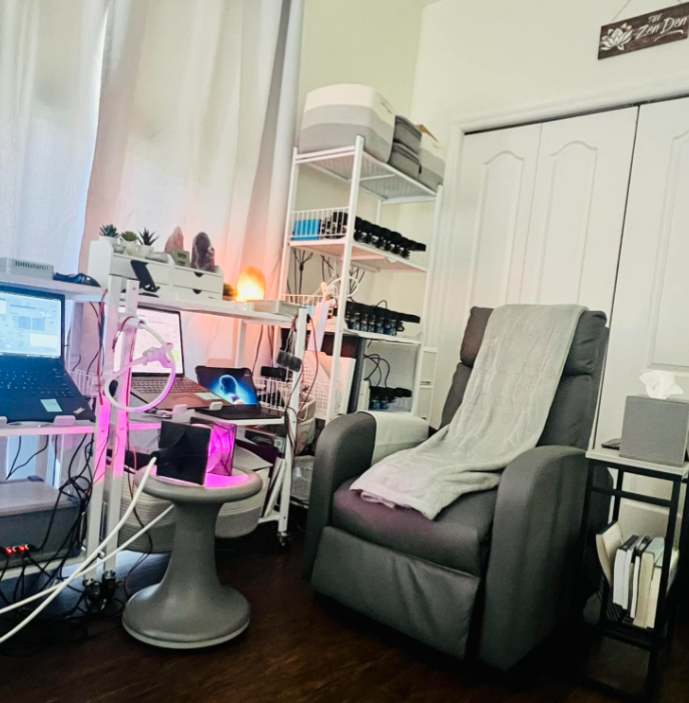
Healthcare practitioners increasingly incorporate frequency therapy into treatment plans. Physical therapists, integrative medicine doctors, chiropractors, and pain management specialists may recommend specific frequency devices as part of comprehensive care approaches.
When a trusted healthcare provider suggests exploring frequency devices — often after seeing beneficial responses to other therapies — patients naturally investigate these options. The professional recommendation lends credibility and provides guidance on appropriate device selection for specific conditions.
This clinical pathway into device exploration differs from the self-directed audio-to-device journey but represents another significant reason people begin investigating frequency technology beyond audio.
Seeking Enhanced or Synergistic Effects

Some experienced frequency therapy users explore devices because they want to combine delivery methods for potentially enhanced effects.
They continue using audio frequencies for certain applications (like sleep or meditation) while adding device-based frequencies for others (like localized pain management or continuous background support). This isn’t about replacing audio but complementing it with tools suited to different needs.
Research suggests that frequency therapy benefits can be dose-dependent — more consistent exposure, when appropriate, may produce stronger effects [2]. For people who’ve experienced genuine benefits from audio and want to explore whether additional frequency exposure through different delivery methods might amplify results, devices become a natural addition to their wellness toolkit.
The Empowerment of Expanded Options
Perhaps fundamentally, people explore frequency devices because having options is empowering.
Frequency healing isn’t one-size-fits-all. Different delivery methods serve different purposes, different lifestyles, different conditions. Understanding that audio is one valid approach among several allows people to customize their frequency therapy to their specific circumstances.
This exploration isn’t about finding the “best” method — it’s about finding the right method for your particular situation. Audio might be ideal for your meditation practice while a device better serves your chronic shoulder pain. One approach doesn’t invalidate the other; they complement each other.
What Device Exploration Isn't
It’s worth clarifying what typically doesn’t drive the audio-to-device transition:
- It’s not dissatisfaction with audio. Most people exploring devices continue using audio frequencies for appropriate applications. They’re adding tools, not replacing what works.
- It’s not about “upgrading.” Devices aren’t inherently superior to audio — they’re differently suited to different needs like killing a pathogen. Someone using audio successfully isn’t missing out; they’re using the right tool for their situation.
- It’s not about more extreme claims. Responsible frequency device exploration comes from understanding different delivery mechanisms, not from seeking miracle cures or buying into exaggerated marketing.
The healthiest device exploration comes from informed curiosity, specific unmet needs, or natural progression in one’s frequency healing journey — not from dissatisfaction with legitimate benefits already being received.
The Informed Next Step
People explore frequency devices for practical, thoughtful reasons rooted in real experience with frequency therapy.
They’ve typically benefited from audio frequencies enough to trust that frequency healing offers something genuine. They’ve built understanding of how frequencies affect their body and mind. They’ve developed realistic expectations based on actual results.
From that foundation of experience, exploring devices becomes a natural extension of their wellness journey — not a rejection of where they started but an evolution based on deepening needs, changing circumstances, or expanding curiosity.
For some, audio will always be sufficient. For others, devices offer capabilities that better serve their specific situations. And for many, the optimal approach involves both — using different delivery methods for different purposes within a comprehensive frequency healing practice.
Understanding why people explore frequency devices helps frame device selection not as a leap into unknown territory but as an informed next step in a journey that began with simple, accessible audio frequencies and evolved based on genuine experience and practical needs.
References
- [1] Zampi, D. D. (2016). Efficacy of theta binaural beats for the treatment of chronic pain. Alternative Therapies in Health and Medicine, 22(1), 32-38. PMID: 26773317
- [2] Chaieb, L., Wilpert, E. C., Reber, T. P., & Fell, J. (2015). Auditory beat stimulation and its effects on cognition and mood states. Frontiers in Psychiatry, 6, 70.








Comments
Merci pour ces informations 🤗
Bonjour Nicole 💜
Avec grand plaisir ! 😊 Merci à vous pour votre gentil message et votre intérêt pour nos contenus.
Nous sommes heureux de vous compter parmi notre communauté. Nous vous souhaitons une belle découverte des fréquences et beaucoup de bien-être. 💙✨
Unless I missed it, do you recommend any specific devices that you believe to be “top of the list.”
Thank you
Hi Roy 💜
Thank you for your question. 😊
The best frequency device depends on your personal needs, preferred frequency delivery method, and how you plan to explore frequencies. There isn’t one single device that is the “best” for everyone.
We’ve introduced different frequency delivery methods and included some recommended device options for each approach here:
🌿 Explore Different Frequency Methods
https://www.frequencyheals.com/explore-different-frequency-methods/
This guide can help you compare different approaches and find the option that best matches your interests and needs.
Thank you for being part of the Frequency Heals community. We hope this helps you on your frequency journey. 💙✨