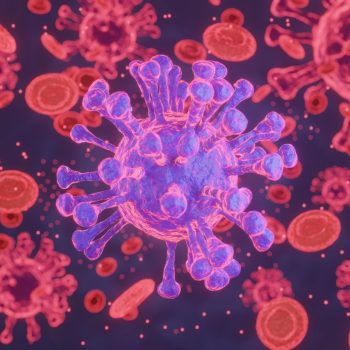
A pathogen is a microorganism or infectious agent capable of causing disease in a host [1].
While there is no scientific evidence that pathogens alter the body’s measurable vibration, many complementary and holistic traditions describe illness as a disruption of the body’s energetic balance. Within this framework, frequency-based or vibrational practices are believed to help restore harmony and support overall well-being; however, these approaches should be viewed as supportive rather than substitutes for medical treatment.
What Is a Pathogen?
A pathogen (or infectious agent) is any organism or particle capable of producing disease in a susceptible host. This includes viruses, bacteria, fungi, and parasites. Not all microorganisms cause illness—many are harmless or even beneficial. Disease occurs when harmful microbes invade tissues, multiply, evade immune defenses, and interfere with normal body function [2].
Main Types of Pathogens

1. Viruses
Viruses are microscopic infectious particles made of genetic material (DNA or RNA) enclosed in a protein coat. They cannot reproduce on their own and must enter host cells to replicate. Once inside, viruses hijack the host’s cellular machinery, forcing it to make viral copies that eventually burst the cell open, spreading infection. This destruction triggers inflammation, tissue damage, and immune responses that cause symptoms like fever, pain, and fatigue [3]. Examples include influenza and HIV, which disrupt vital body systems such as the respiratory and immune systems.

2. Bacteria
Bacteria are single-celled organisms capable of thriving in diverse environments. Many are harmless or beneficial (like gut flora), but pathogenic bacteria cause disease by releasing toxins, invading tissues, or triggering damaging immune responses [4]. They can multiply rapidly, sometimes doubling in number within minutes. When pathogenic strains colonize wounds, the lungs, or the digestive tract, they can produce infections such as pneumonia or food poisoning. Left unchecked, bacterial infections can spread to the bloodstream, leading to sepsis, a life-threatening immune reaction.

3. Fungi
Fungi include molds, yeasts, and multicellular species that live on organic matter. While many are harmless, pathogenic fungi can infect the skin, nails, lungs, or internal organs, particularly in individuals with weakened immunity [5]. They damage tissues by secreting enzymes that degrade keratin and other proteins or by provoking chronic inflammation. Invasive fungal infections like aspergillosis can reach the bloodstream, while superficial infections such as ringworm thrive in moist areas of the skin. Fungal pathogens often resist treatment due to protective cell walls and biofilms.

4. Parasites
Parasites are organisms that live on or inside another organism (the host), deriving nutrients at the host’s expense. They include protozoa (microscopic) and helminths (worms). Parasitic infections can cause significant tissue damage as they migrate through the body or feed on host blood and nutrients [6]. For example, malaria parasites destroy red blood cells, leading to anemia and fatigue, while intestinal worms cause malnutrition and digestive distress. Chronic parasitic infections often suppress the immune system, making the body vulnerable to other diseases.

How Do Pathogens Infect the Body?
Pathogens typically enter through the mouth, nose, eyes, wounds, or insect bites. They attach to cells, multiply, and evade immune defenses. Infection leads to inflammation, tissue damage, and immune signaling cascades that create fever and other symptoms [7].
From a frequency-healing perspective, such biological disruption is also viewed as an energetic disturbance—cells lose their regular resonance, tissues become less coherent, and overall vitality decreases.
How Do Pathogens Spread?
Pathogens spread through:
- Direct contact (touch, sexual contact, body fluids)
- Airborne or droplet transmission (coughs, sneezes)
- Contaminated food or water
- Insect or animal vectors
- Contact with contaminated surfaces
Preventive hygiene, vaccination, and public health measures significantly reduce transmission [8].
Diseases Caused by Pathogens
Viral Diseases
Influenza: Attacks the respiratory tract, causing fever, cough, and muscle aches.
HIV/AIDS: Destroys immune cells, increasing susceptibility to other infections.
Bacterial Diseases
Tuberculosis: Caused by Mycobacterium tuberculosis; damages lungs and other organs.
Lyme Disease: Spread by tick bites; affects joints, heart, and nervous system.
Fungal Diseases
Parasitic Diseases
Toxoplasmosis: Transmitted through undercooked meat or cat feces; can affect the brain.
How Do You Kill or Neutralize Pathogens?
Conventional Approaches
Modern medicine targets pathogens through pharmacological and hygienic means.
- Antibiotics treat bacterial infections by disrupting cell walls or protein synthesis.
- Antivirals inhibit viral replication or entry into host cells.
- Antifungals damage fungal membranes or block essential enzymes.
- Antiparasitics kill or immobilize parasites.
Vaccination, sanitation, and immune support play major preventive roles. However, antibiotic resistance and emerging strains highlight the need for integrative approaches to strengthen the body’s natural resilience [9].
Frequency-Based Approaches
In complementary health frameworks, frequency-based methods are seen as tools to help restore balance to the body’s energetic systems. These approaches do not directly “kill” pathogens but aim to enhance the body’s self-regulating capacity.
1. Listening to Healing Frequencies:
This method involves using sound therapy or frequency recordings designed to resonate with specific body systems or mortal oscillatory rates (MOR) of pathogens. Proponents believe certain tones, solfeggio frequencies, or harmonic series help cells re-establish coherence disrupted by illness. For example, low-frequency vibrations may promote relaxation, aiding immune and nervous system balance. Listening should be done at comfortable volumes through high-quality speakers or headphones in a calm environment, ideally 15–30 minutes daily. It is non-invasive and can complement meditation or relaxation routines.
2. Using Frequency-Delivery Devices:
Devices that emit electromagnetic or acoustic frequencies aim to interact more directly with body tissues. Some holistic practitioners use such tools for energetic alignment or to stimulate bio-resonance responses. While scientific validation is limited, studies suggest certain vibrational or low-intensity electromagnetic fields can affect cell signaling and stress response pathways [10]. Safe use requires professional supervision, proper grounding, and avoiding use during pregnancy, with pacemakers, or near sensitive electronics.
Differences and Precautions:
Listening-based methods work through auditory relaxation and energetic resonance—gentle, ambient, and self-directed. Device-based methods deliver localized stimulation and should be used carefully, respecting contraindications. Both methods are supportive tools intended to complement—not replace—conventional care.
Protecting Against Pathogens
- Wash hands regularly and disinfect surfaces.
- Eat nutrient-rich foods, rest, and manage stress.
- Stay hydrated and maintain clean environments.
- Practice energetic hygiene: meditation, grounding, and limiting exposure to excessive EMF noise.
Balanced attention to both physical and energetic well-being supports a resilient immune system.
References
- Janeway CA Jr., Travers P., Walport M., et al. NCBI Bookshelf.
- CDC – Infectious Agents and How They Spread.
- WHO – Viruses: Transmission and Prevention.
- NIH – Bacterial Infections Overview.
- CDC – Fungal Diseases.
- WHO – Parasites and Parasitic Diseases.
- NIH – Mechanisms of Infection.
- CDC – How Infections Spread.
- WHO – Antimicrobial Resistance.
- Dal Lin C., Radu C.M., Vitiello G., et al. Sound Stimulation on In Vitro HL-1 Cells.Int J Mol Sci. 2021;22(1):156.